Annapurna Region

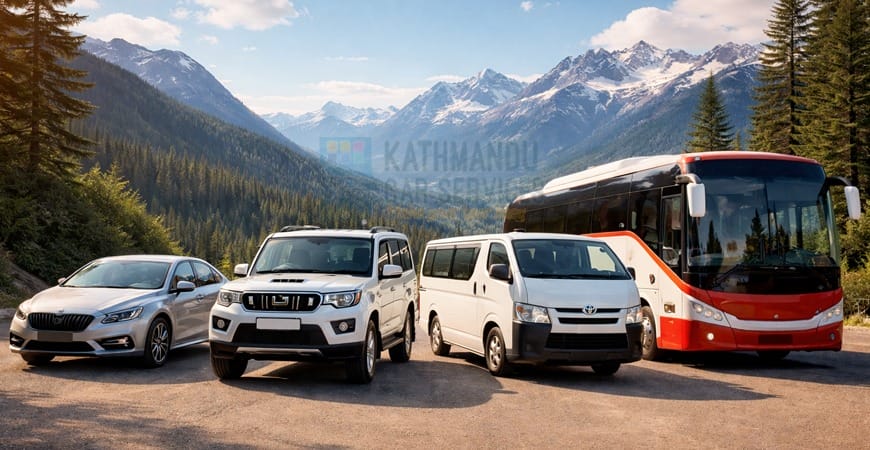
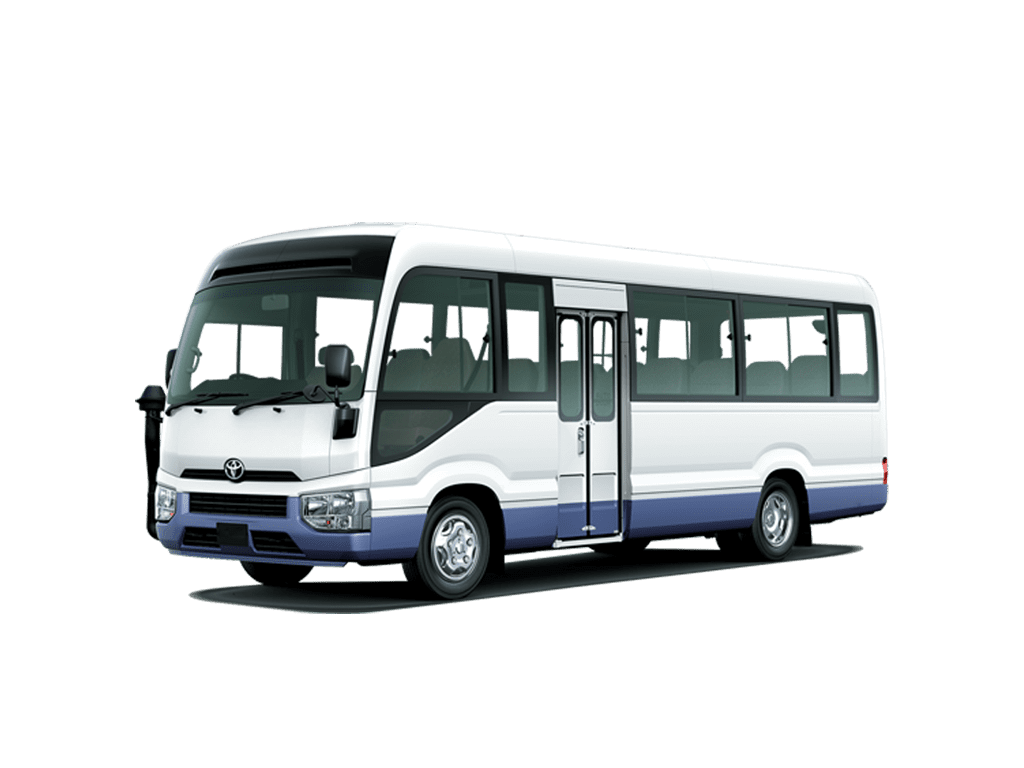
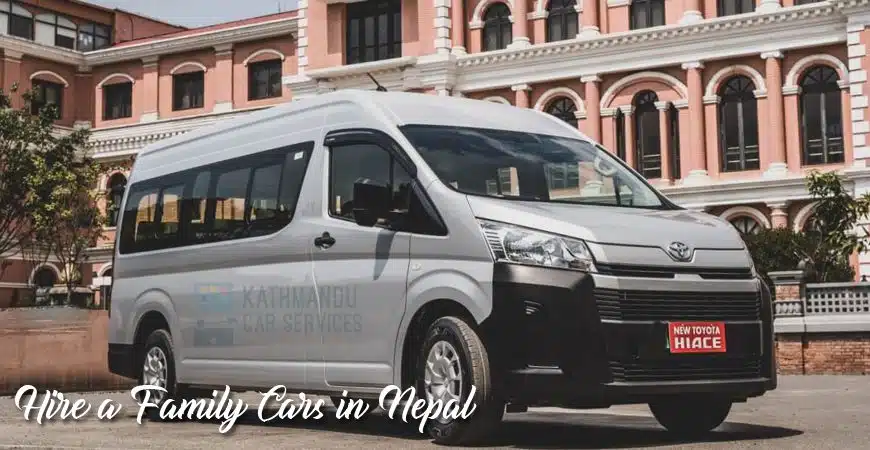
family-car-rental-nepal Van & Hiace Rental
+

Self Drive Car Rental in Kathmandu | Kathmandu Car Services
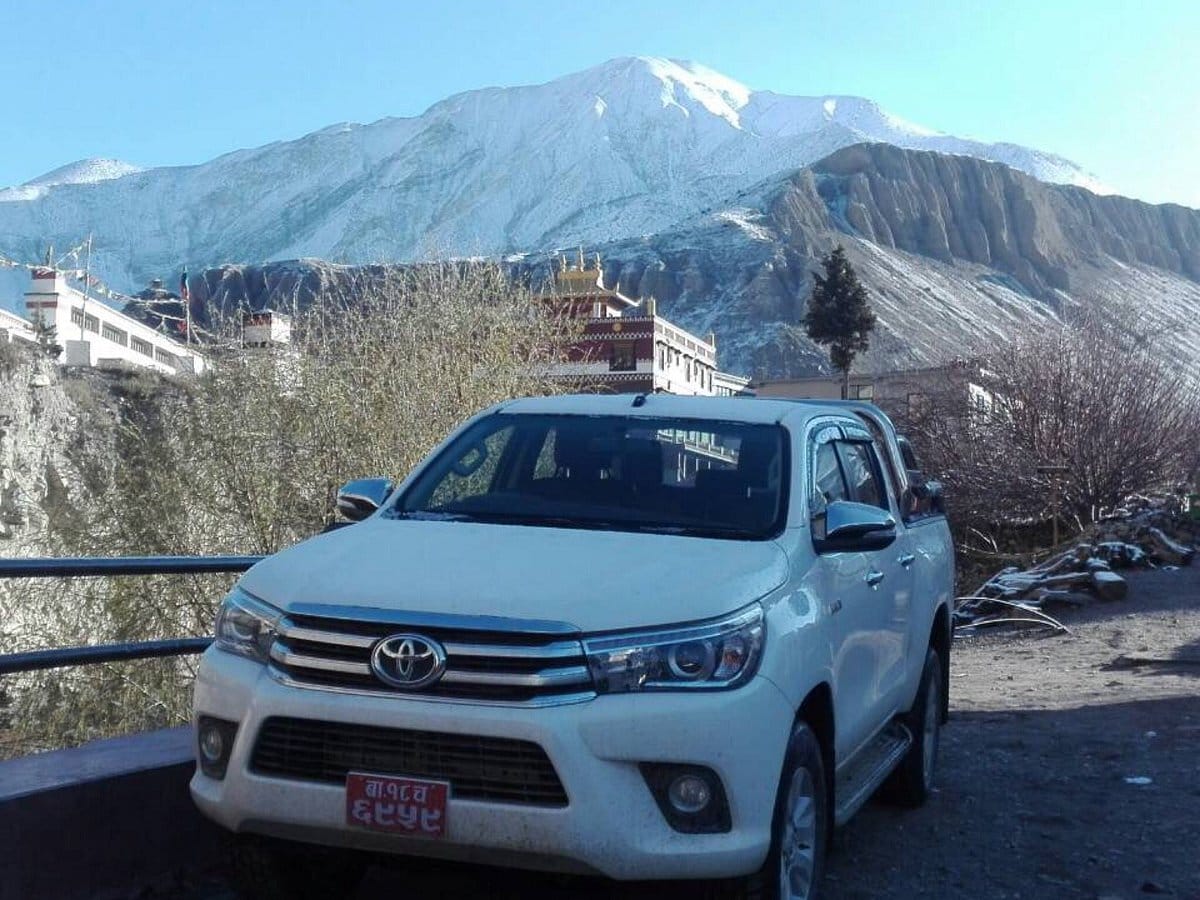
 self drive car rental nepal

You know that feeling when you land in a new city and suddenly realize you’re completely dependent on taxis and their ever-changing “tourist rates”? Yeah, I’ve been there too many times in Kathmandu.

Three years ago, I made what turned out to be one of my smartest travel decisions – I ditched the taxi queue at Tribhuvan Airport and walked straight to a self drive car rental in Kathmandu counter. That single choice transformed my entire Nepal experience, and I haven’t looked back since.

The freedom to wake up at 4 AM for sunrise at Nagarkot without coordinating pickup times? Priceless. Exploring hidden temples in Bhaktapur at my own pace? Absolutely worth it. Splitting fuel costs with friends instead of paying inflated cab fares? My wallet definitely appreciated that.

Why Choose Self Drive Car Rental in Kathmandu Over Taxis?

Let’s cut through the fluff and talk real numbers and experiences here.

Last month, my colleague spent three days in Kathmandu using taxis exclusively. His total transportation cost: NPR 12,500 (roughly $93). Same timeframe, I rented a Maruti Swift through self drive car rental in Kathmandu for NPR 4,200 per day. Total: NPR 12,600 for THREE DAYS, but here’s the kicker – I drove to Pokhara and back, visited Nagarkot twice, explored every corner of Patan, and still had the freedom to make impromptu stops.

The math isn’t even close when you factor in flexibility.

Beyond finances, there’s something liberating about having your own wheels in Kathmandu. No more:

  • Negotiating fares every single trip
  • Waiting 20 minutes for ride apps during peak hours
  • Explaining your destination three times
  • Dealing with drivers who suddenly “don’t know” less touristy areas
  • Rushing back because you pre-booked a return pickup

Instead, you’re genuinely exploring on your terms. Want to spend an extra hour at Swayambhunath watching the sunset? Go ahead. Found an amazing local restaurant on the way? Pull over. That’s the real value of rent a car Kathmandu services.

How Self Drive Car Rental in Kathmandu Actually Works (Step-by-Step)

I remember walking into my first rental office feeling slightly overwhelmed. The process seemed mysterious. Turns out, it’s surprisingly straightforward once you know what to expect.

Step 1: Choose Your Vehicle

Most Kathmandu car hire companies have fleets ranging from compact city cars to rugged SUVs. You’ll typically browse their available vehicles online or in-person. I always check the manufacture year – newer models mean better fuel efficiency and fewer breakdown worries.

Step 2: Documentation Dance

Here’s what you absolutely need:

  • Valid passport (they’ll photocopy it)
  • Driving license from your home country
  • International Driving Permit (IDP) – technically required, and traffic police do check
  • Credit card or cash for security deposit

Pro tip from personal experience: Get your IDP before traveling. It costs about $20 in most countries and saves massive headaches if you’re stopped by traffic police. I learned this the hard way my first time.

Step 3: Agreement Review

Read this carefully, seriously. Check:

  • Daily rate and what’s included
  • Fuel policy (full-to-full is standard)
  • Mileage limits (unlimited is ideal)
  • Insurance coverage details
  • Geographical restrictions
  • 24/7 support contact numbers

I always snap photos of the rental agreement on my phone. Quick reference later if questions arise.

Step 4: Vehicle Inspection

Walk around the car with the agent. Document EVERYTHING:

  • Existing scratches or dents (I use my phone camera extensively)
  • Current fuel level
  • Odometer reading
  • Tire condition
  • Check that spare tire, jack, and triangle warning sign are present

This five-minute inspection has saved me from deposit disputes multiple times.

Step 5: Test Drive

Don’t skip this! Drive around the block. Check brakes, air conditioning, lights, horn (you’ll use it constantly in Kathmandu traffic). Make sure you’re comfortable with the vehicle before heading out.

Step 6: Hit the Road

Most self drive car rental in Kathmandu companies give you a quick orientation about local driving customs. Listen to this advice – Kathmandu traffic has its own unwritten rules that become second nature quickly.

Self Drive Car Rental Kathmandu: Complete Price Breakdown 2026
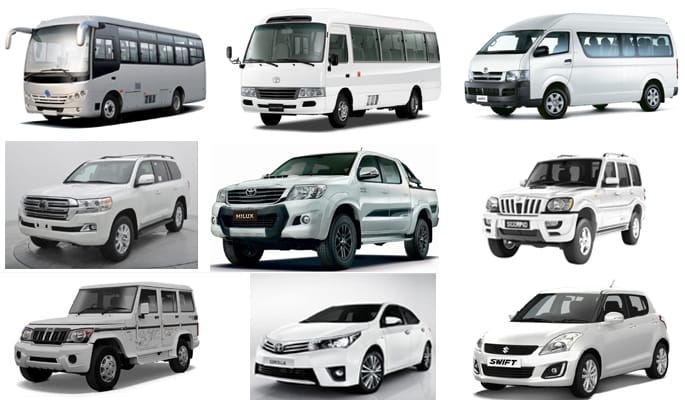
Car Rental Company in Nepal

Alright, let’s talk money. Here’s the real pricing you can expect, based on current market rates and my recent rentals:

Standard Vehicle Pricing Table

Vehicle Category Models Available Daily Rate (NPR) Weekly Rate (NPR) Monthly Rate (NPR) Best For
Compact Hatchback Maruti Swift, Hyundai i10, Santro 3,000 – 4,500 18,000 – 27,000 60,000 – 85,000 Solo travelers, city exploration
Mid-Size Sedan Hyundai Verna, Toyota Corolla 5,000 – 7,000 30,000 – 42,000 95,000 – 130,000 Couples, business travel
SUV (Compact) Maruti Brezza, Hyundai Creta 6,500 – 9,000 39,000 – 54,000 125,000 – 170,000 Small families, weekend trips
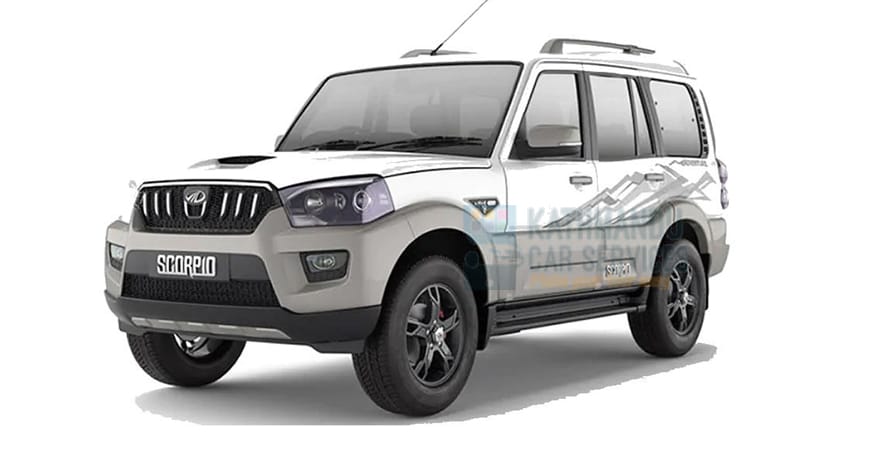
SUV (Full-Size) Mahindra Scorpio, Toyota Fortuner 9,000 – 15,000 54,000 – 90,000 175,000 – 280,000 Large groups, mountain terrain
4×4 Vehicles Land Cruiser, Bolero 12,000 – 20,000 72,000 – 120,000 230,000 – 380,000 Off-road adventures, remote areas

Prices current as of February 2026. Rates may vary by season and company.

Additional Cost Factors

Cost Component Typical Price Range Notes
Security Deposit NPR 10,000 – 50,000 Refundable; varies by vehicle value
Fuel NPR 175 – 185/liter Current petrol prices; fluctuates
CDW Insurance NPR 500 – 1,200/day Highly recommended for peace of mind
Additional Driver NPR 300 – 500/day Some companies include free
GPS Device NPR 200 – 400/day Often free with weekly rentals
Child Car Seat NPR 300 – 500/day Limited availability; book ahead
Delivery to Airport NPR 500 – 1,000 One-time fee; convenient option

Real Cost Comparison: Taxi vs Self Drive

Let me break down an actual scenario from my last trip:

3-Day Itinerary: Kathmandu Valley Exploration

Option A: Using Taxis

  • Thamel to Swayambhunath: NPR 800 (round trip)
  • Thamel to Bhaktapur (full day): NPR 3,500
  • Thamel to Nagarkot (sunrise trip): NPR 4,000
  • Multiple short city trips: NPR 2,200
  • Total: NPR 10,500

Option B: Self-Drive Car Rental in Kathmandu (Maruti Swift)

  • Daily rental (3 days × NPR 4,200): NPR 12,600
  • Fuel consumption (~150km × NPR 10/km): NPR 1,500
  • Total: NPR 14,100

Wait, that’s more expensive, right? Here’s what the numbers don’t show:

With the rental, I also:

  • Drove to Dhulikhel (not in original plan)
  • Made spontaneous stops at 5 different temples
  • Visited a friend in Patan twice
  • Explored back roads in Kirtipur
  • Had zero waiting time or scheduling stress

The actual value? Probably covered 400+ kilometers and visited double the locations. The per-destination cost was drastically lower, and the experience quality? Incomparable.

Best Vehicles for Self Drive Car Rental in Kathmandu

Choosing the right vehicle matters more than you’d think. Kathmandu’s roads test your car selection decision constantly – narrow old-city lanes, highway stretches, mountain climbs, and those lovely potholes that appear from nowhere.

For City Exploration Only: Compact Hatchbacks

The Maruti Swift is my personal go-to for Kathmandu valley trips. It’s nimble enough to navigate tight Thamel streets, has decent power for Ring Road driving, and the fuel efficiency (around 15-17 km/liter) means your rupees stretch further.

I’ve squeezed this car into parking spots that made tourists in SUVs give up and leave. In places like Bhaktapur’s narrow alleys or finding parking near Durbar Square, compact size is your friend.

The Hyundai i10 is another solid choice, particularly if you’re primarily staying within Kathmandu city limits. Slightly smaller than Swift, it’s incredibly easy to maneuver, and honestly perfect if you’re nervous about driving in busy traffic.

For Highway Trips: Mid-Size Sedans

Planning to drive to Pokhara? Chitwan? Maybe even further? Step up to sedans.

The Toyota Corolla offers comfort for longer journeys. Highway driving gets tiring, and having that extra space, better suspension, and more stable high-speed handling makes those 5-6 hour drives significantly more pleasant. I drove one to Lumbini last year – my back thanked me.

These sedans also give you better visibility in traffic, which matters when you’re sandwiched between trucks on the Prithvi Highway.

For Mountain Adventures: SUVs

If Nagarkot’s winding roads are on your agenda, or you’re considering drives to places like Daman or further into hill stations, SUVs make sense.

The Mahindra Scorpio is everywhere in Nepal for good reason. It handles rough roads confidently, has ground clearance for those moments when “road” becomes a generous term, and in mountain weather, you feel secure.

I took a Hyundai Creta to Nagarkot during light rain – the stability and grip were reassuring on those slippery uphill curves. For self drive car rental in Kathmandu adventures beyond the valley, this category is worth the extra cost.

For Serious Off-Roading: 4×4 Vehicles

Planning Mustang circuit? Upper Dolpo areas? You need proper 4×4 capability.

The Toyota Land Cruiser is the gold standard for Nepal’s challenging terrain. Yes, it’s expensive (NPR 15,000-20,000/day), but when you’re navigating river crossings and landslide-prone areas, that investment feels justified.

Most travelers don’t need this level of vehicle. But if your itinerary includes serious mountain roads where pavement is optional, don’t compromise on 4×4 capability.

Navigating Kathmandu: Real Driving Tips from the Streets

Let’s address the elephant in the room – Kathmandu traffic looks absolutely chaotic at first glance. Vehicles weaving, constant honking, cows casually crossing roads, motorcycles appearing from every conceivable angle. I get why people feel intimidated.

Here’s what I learned actually driving here:

The Unwritten Rules

1. Honking is Communication, Not Aggression
In Western countries, horn usage often signals frustration. In Kathmandu? It’s how drivers talk to each other. A quick beep means “I’m here, I’m passing.” Two beeps: “Hey, I need to merge.” Long horn: “Actually paying attention would be great right now.”

Once you understand this, the constant noise becomes meaningful rather than stressful.

2. Lanes Are Suggestions
That road marked for two lanes? In practice, it’s fitting three vehicles comfortably, sometimes four if everyone’s cooperative. Don’t stress about maintaining perfect lane discipline like back home. Drive defensively, watch the vehicles immediately around you, and flow with traffic.

3. Right of Way Goes to the Brave (But Be Smart)
Technically, rules exist. Practically? Confidence often determines who goes first at intersections. But here’s the key – this works because everyone’s watching everyone. It’s organized chaos, emphasis on organized.

That said, as someone with a rent a car Kathmandu vehicle, give way to local buses and trucks. They’re not slowing down, and your rental car definitely isn’t winning that argument.

Best Times to Drive

Avoid if possible:

  • 8:00 AM – 10:00 AM (morning rush)
  • 5:00 PM – 7:30 PM (evening chaos)
  • Saturday mornings around shopping areas

Golden hours for driving:

  • 6:00 AM – 7:30 AM (roads are surprisingly clear)
  • 11:00 AM – 3:00 PM (midday lull)
  • After 8:30 PM (though some areas get poorly lit)

I schedule major driving during these quieter windows. That 6 AM drive to Nagarkot? Almost no traffic, amazing sunrise, and you’re back before afternoon congestion builds.

Parking Strategy

Parking in Kathmandu requires local knowledge. Here’s my mental map:

Thamel area: Use paid parking at Hotel Marshyangdi or near Kathmandu Guest House. Street parking exists but spaces fill quickly. Cost: NPR 100-200 for few hours.

Durbar Square areas: Official parking zones near entrances. Get there early (before 9 AM) or forget about finding spots. Alternative: park further away and walk 10 minutes.

Shopping areas (Lazimpat, Durbarmarg): Most malls have dedicated parking. Bhat-Bhateni, Civil Mall – easy in-and-out.

Restaurants: Higher-end places in Jhamsikhel or Boudha usually have parking. Local spots? You’re parallel parking on narrow streets. This is where compact cars shine.

Pro tip: Always lock your vehicle and avoid leaving valuables visible. Nepal is generally safe, but why tempt fate?

Dealing with Police Checkpoints

Traffic police set up checkpoints periodically, especially on highways heading out of Kathmandu. They’re checking for:

  • Valid driving license/IDP
  • Vehicle registration papers (your rental company provides these)
  • Insurance documents
  • Sometimes seatbelt usage

Be polite, have documents ready, and you’ll be waved through in 30 seconds. Most officers are professional and used to seeing tourists in rental vehicles.

If you genuinely violated a rule (ran a red light, over-speeding), fines are official and receipts provided. Typical fines range NPR 500-2,000 depending on violation.

Top Routes for Self Drive Car Rental in Kathmandu Adventures

car rental nepal Self drive car rental in Kathmandu

Now we’re getting to the good stuff – where to actually drive. This is where self drive vehicles Kathmandu truly shine, giving you access to experiences most tourists miss entirely.

Route 1: The Classic Valley Circuit (Full Day, ~80 km)

Kathmandu → Bhaktapur → Nagarkot → Dhulikhel → Panauti → Return

Start early, like 7 AM early. Drive to Bhaktapur (13 km, 30 minutes with morning traffic). Explore the ancient city for 2-3 hours – the pottery square, Nyatapola temple, those incredible alleys where time seems frozen.

From Bhaktapur, the road to Nagarkot climbs steadily. 19 kilometers of winding mountain road, pine forests on both sides, increasingly spectacular valley views. This drive itself is worth the rental cost.

Nagarkot (~2,175m elevation) offers panoramic Himalayan views. On clear days, you’ll see everything from Langtang to Everest range. Have lunch at one of the hilltop restaurants.

Continue to Dhulikhel (23 km from Nagarkot). Different vibe – more traditional Newari architecture, quieter tourist scene. The old town area requires parking and walking.

If time permits, detour to Panauti (ancient town, barely any tourists). Return via Banepa-Dhulikhel highway.

Total time: 8-10 hours including stops
Fuel cost: ~NPR 800-1,000
Road condition: 85% paved, some rough patches near Nagarkot

Route 2: Spiritual Circuit (Half Day, ~40 km)

Kathmandu → Swayambhunath → Boudhanath → Pashupatinath → Return

This concentrates major spiritual sites in one efficient loop. Start at Swayambhunath (Monkey Temple) – arrive by 7:30 AM to avoid crowds and catch morning prayer atmosphere. Parking at base, then climb those 365 steps. Yeah, it’s a workout.

Drive to Boudhanath (9 km). This massive stupa is best experienced walking the kora (circumambulation) with pilgrims. Dozens of cafes around the stupa – grab butter tea, watch the scene.

Pashupatinath is nearby (4 km). Hindu temple complex on Bagmati River banks. Note: cremation ceremonies happen here; it’s culturally significant but intense if you’re unprepared.

Total time: 5-6 hours
Fuel cost: ~NPR 400-500
Best timing: Start early, finish by early afternoon

Route 3: The Pokhara Drive (2-3 Days, ~400 km round trip)

This is THE classic self drive car rental in Kathmandu adventure. The Prithvi Highway connecting Kathmandu to Pokhara is scenic, challenging, and absolutely memorable.

Day 1: Leave Kathmandu by 7 AM. Drive time: 6-7 hours covering 200 km. Highway follows Trishuli River for long stretches – absolutely gorgeous.

Stop at Malekhu for famous fish lunch (try the local trout). Continue through Mugling (congestion point), then through Damauli to Pokhara.

The road varies from excellent highway sections to narrow, winding mountain stretches. You’ll encounter everything: slow trucks, speedy buses, the occasional roadside landslide cleanup.

Day 2: Explore Pokhara with your vehicle – Phewa Lake, Sarangkot sunrise (early morning drive), Devi’s Falls, Gupteshwor Cave. Having your own car in Pokhara is clutch; sites are spread out.

Day 3: Return drive, or extend exploring around Pokhara.

Fuel cost: ~NPR 4,000-5,000 (round trip)
Road condition: 70% good, 30% challenging
Essential: Leave early, drive daylight hours only

Route 4: Off-The-Beaten Circuit (Full Day, ~120 km)

Kathmandu → Kirtipur → Pharping → Dakshinkali → Champadevi Trail → Return

This route gets you away from tourist crowds entirely.

Kirtipur (5 km from Kathmandu) is this ancient hilltop town that tourists somehow skip. Park at the base, walk up through medieval streets. The views over Kathmandu valley are stunning.

Drive to Pharping (14 km) – important Buddhist meditation caves, where Guru Rinpoche achieved enlightenment. Peaceful, spiritual, barely any tourists.

Dakshinkali (22 km from Kathmandu) has this intense temple where animal sacrifices happen (Tuesdays/Saturdays). It’s culturally fascinating but definitely not for everyone. The drive through pine forests is beautiful regardless.

For adventurous types, Champadevi hiking trail starts near here. Park your car, hike to hilltop shrine (3-4 hours), return.

Total time: 8-9 hours
Fuel cost: ~NPR 900-1,100
Crowd level: Low – you’ll feel like you discovered secret Nepal

Route 5: The Luxury Day Trip (Full Day, ~120 km)

Kathmandu → Dhulikhel → Namobuddha → Panauti → Khopasi → Return

This combines stunning scenery with upscale lunch options.

Drive to Dhulikhel (32 km), explore old town. Continue to Namobuddha (13 km further) – one of Buddhism’s most sacred sites. The monastery, the legend, the hilltop location – powerful experience.

Have lunch at Namobuddha Resort or similar (book ahead). We’re talking mountain views, Himalayan panoramas, quality food.

Panauti detour (ancient Newari town), then return via Khopasi scenic route.

Total time: 7-8 hours
Budget: NPR 3,000-4,000 including upscale lunch
Best for: Couples, photography enthusiasts

Documentation Required: Complete Checklist

Let’s make sure you’re not turned away at the rental counter. From someone who forgot his IDP once (painfully expensive lesson), here’s everything you need:

Mandatory Documents

1. Valid Passport

  • Must be valid for at least 6 months
  • Rental company keeps photocopies
  • Original returned to you immediately

2. Driving License from Home Country

  • Must be valid and current
  • English language license preferred
  • Some countries require sworn translation if not in English

3. International Driving Permit (IDP)

  • Technically required by Nepal law
  • Obtain from your home country before traveling (AAA in US, AA in UK, etc.)
  • Cost: Usually $15-25
  • Valid for 1 year from issue date
  • Critical: Traffic police do check, especially on highways

4. Credit Card or Cash Deposit

  • Credit card: Security hold placed (NPR 10,000-50,000 depending on vehicle)
  • Cash: Physical deposit, returned upon safe vehicle return
  • Some companies accept debit cards with higher deposits

Highly Recommended Documents

5. Rental Confirmation/Voucher

  • If you pre-booked online
  • Email confirmation on phone acceptable
  • Speeds up check-in process

6. Insurance Coverage Letter

  • If your personal insurance covers international rentals
  • Check if your credit card provides rental insurance
  • Could reduce need for extra CDW purchase

7. Return Flight Ticket

  • Some companies request this
  • Confirms you’re leaving Nepal (not absconding with their vehicle)

Document Tips from Experience

Take phone photos of EVERYTHING:

  • Rental agreement (both sides)
  • Vehicle condition report
  • Odometer reading
  • Fuel gauge level
  • Your IDP and license (backup if original lost)

Store digital copies in cloud storage. I use Google Drive – accessible even if phone lost.

Keep physical documents in car at all times. Police checks happen randomly, and traffic police get irritated if you need to “call the office for document copies.”

Insurance Options: What You Actually Need

Insurance talk is boring until you scrape your rental car against a wall in a narrow alley and suddenly owe NPR 50,000. Let me break down what matters.

Standard Coverage (Usually Included)

Third-Party Liability Insurance

  • Covers damage to OTHER vehicles/property
  • Covers injury to OTHER people
  • Required by Nepal law, always included in rental
  • Doesn’t cover damage to YOUR rental vehicle

This is why you need additional coverage.

Highly Recommended: CDW/LDW

Collision Damage Waiver (CDW) / Loss Damage Waiver (LDW)

  • Cost: NPR 500-1,200 per day
  • Reduces your liability if rental vehicle damaged
  • Usually includes “excess” (you pay first NPR 10,000-25,000, insurance covers rest)
  • Worth it? Absolutely yes for Kathmandu driving

I’ve had CDW save me twice:

  1. Scratched the side mirror in tight Patan alley (NPR 8,000 repair, I paid NPR 5,000 excess instead of full amount)
  2. Cracked windshield on highway (flying stone), NPR 12,000 repair fully covered after excess

What Insurance DOESN’T Cover

Rent a Car in the Nepal

Rent a Car in the Nepal

Read the fine print. Standard exclusions:

  • Tire damage (punctures, blowouts)
  • Undercarriage damage (scraping on rough roads)
  • Interior damage (stains, burns, tears)
  • Driving under influence (obviously)
  • Driving in explicitly prohibited areas
  • Theft of personal belongings from car

Also, if you violate rental terms (like taking valley-only rental to mountain areas), insurance becomes void. Follow the rules.

Credit Card Insurance

Some premium credit cards offer rental car insurance. Check if yours does. BUT:

  • Usually requires you to decline rental company’s CDW
  • Reimburses you AFTER you pay out-of-pocket
  • May not cover vehicles over certain value
  • Some cards exclude coverage in certain countries

I tried this once with self drive car rental in Kathmandu. The paperwork hassle and upfront payment requirement wasn’t worth the savings. Now I just take CDW and sleep peacefully.

Best Companies for Self Drive Car Rental in Kathmandu

I won’t name specific companies (that borders on advertising), but I can tell you what separates great rental services from sketchy ones.

What Good Companies Offer

Fleet Quality

  • Vehicles under 5 years old
  • Regular maintenance records available
  • Clean interiors (seriously, check this)
  • All safety equipment present

Transparent Pricing

  • Clear rate cards displayed
  • No hidden fees surprise at return
  • Insurance options explained clearly
  • Fuel policy stated upfront

24/7 Support

  • Emergency contact number that ACTUALLY answers
  • Roadside assistance available
  • English-speaking staff
  • Replacement vehicle if serious breakdown

Proper Documentation

  • Official rental agreements
  • Insurance certificates
  • Vehicle registration papers
  • Clear damage inspection process

Red Flags to Avoid

  • Prices dramatically lower than market average (there’s always a catch)
  • Unclear insurance terms
  • No written agreement provided
  • Pressure to take additional services
  • Poor vehicle condition during inspection
  • Vague responses about coverage areas
  • No reviews or online presence whatsoever

I once nearly rented from a shady operation offering Swift at NPR 2,500/day (too good to be true). Vehicle inspection revealed bald tires, no spare, and sketchy documentation. Walked away. Your safety isn’t worth saving NPR 1,000.

Where to Find Reputable Rentals

Most legitimate self drive car rental in Kathmandu companies have:

  • Offices in Thamel or near airport
  • Websites with clear information
  • Google reviews (read the negative ones carefully)
  • Proper business registration
  • Multiple vehicle options in fleet

Check platforms like Kathmandu Car Services which offer comprehensive rental solutions with transparent pricing and professional service standards.

Fuel Costs and Gas Station Tips

Let’s talk about keeping your rental vehicle running. Fuel in Nepal isn’t cheap, but strategic planning helps.

Current Fuel Prices (February 2026)

  • Petrol: NPR 175-185 per liter (~$1.35/liter)
  • Diesel: NPR 165-175 per liter (~$1.25/liter)

Prices fluctuate with global oil markets and Nepal Oil Corporation adjustments.

Fuel Efficiency by Vehicle Type

From my actual driving experiences:

  • Compact Hatchback: 15-17 km/liter (city), 18-21 km/liter (highway)
  • Sedan: 12-15 km/liter (city), 16-18 km/liter (highway)
  • SUV: 8-11 km/liter (city), 12-14 km/liter (highway)
  • 4×4 Vehicles: 7-9 km/liter (city), 10-12 km/liter (highway)

These numbers assume reasonable driving (not aggressive acceleration/braking).

Fuel Station Strategy

In Kathmandu Valley:
Stations everywhere. Favorites:

  • Total petrol pumps (usually less crowded)
  • Nepal Oil Corporation stations (government-run, standard prices)

On Highways:
Fill up before leaving Kathmandu. Highway stations exist but can be crowded with buses/trucks.

Peak Times to Avoid:

  • Early morning (7-9 AM) when taxis refuel
  • Late afternoon (4-6 PM) general rush

I fuel up around 10 AM or 2 PM – usually in and out within 5 minutes.

Payment Methods

Most stations accept:

  • Cash (always accepted)
  • eSewa (digital wallet, very common)
  • Credit cards (larger stations only)

Carry cash regardless. That remote station near Nagarkot? Cash only.

Fuel Policy with Rentals

Standard rental policy: Full-to-Full

You receive vehicle with full tank, return it full. Simple, transparent.

Some companies offer pre-purchase options (you pay upfront for full tank, return empty). Math rarely works in your favor unless you’re certain you’ll use every drop.

Track your fuel receipts if rental agreement requires proof of refueling.

Renting a Jeep for Tiji Festival

Renting a Jeep for Tiji Festival

Driving Rules and Traffic Regulations in Nepal

Nepal officially follows left-hand driving (like UK, India, Japan). In practice, well… let’s discuss the actual rules versus how things work.

Official Rules

  • Speed Limits:
    • Urban areas: 40 km/h
    • Highways: 80-100 km/h
    • Near schools/hospitals: 20 km/h
  • Seatbelts: Mandatory for driver and front passenger
  • Mobile Phones: Hands-free only while driving
  • Alcohol: Zero tolerance (officially)
  • Lane Discipline: Keep left, overtake right
  • Horn Usage: Restricted in certain zones (rarely enforced)

Practical Reality

Speed limits are rarely enforced except specific areas with speed cameras. Most drivers flow with traffic – typically 50-60 km/h in city, 60-80 km/h on highways (when road conditions permit).

Seatbelt usage? Traffic police actively check this, especially at major intersections. Just wear them – it’s both safer and avoids NPR 1,000 fine.

Lane discipline exists theoretically. Practically, vehicles position themselves wherever space exists. Stay alert, use mirrors constantly, and you’ll adapt quickly.

Common Traffic Violations and Fines

Violation Fine (NPR) Notes
No seatbelt 1,000 Strictly enforced
Mobile phone usage while driving 1,000 Random checks
No driving license/IDP 2,000 Plus vehicle impound risk
Red light violation 1,000 Cameras at major intersections
Wrong-way driving 1,000 Serious offense
Overloading passengers 500 per extra passenger Checked on highways
Drunk driving 2,000-5,000 Can lead to arrest

Fines must be paid at traffic police office. They provide official receipts. Never pay on-the-spot “fines” to individual officers without receipts – that’s bribery, not proper procedure.

Right of Way (Theoretical vs Actual)

Officially:

  • Traffic already on roundabouts has right of way
  • Vehicles on main roads have priority over side streets
  • Pedestrians always have right of way at crossings

In Practice:

  • Whoever asserts confidence first usually proceeds
  • Larger vehicles (buses, trucks) rarely yield
  • Pedestrians cross anywhere, anytime – stay alert

It sounds chaotic described this way, but there’s an unspoken communication through eye contact, horn signals, and vehicle positioning. After a day of driving, you’ll be participating in this dance unconsciously.

Seasonal Considerations for Self Drive Car Rental in Kathmandu

Nepal’s seasons dramatically affect driving conditions. Choose your rental timing wisely.

October-November: Peak Season (BEST)

Pros:

  • Perfect weather – clear skies, comfortable temperatures
  • Excellent Himalayan visibility
  • Dry roads, minimal breakdown risk
  • Festival season (Dashain, Tihar) adds cultural richness

Cons:

  • Higher rental rates (15-25% premium)
  • More traffic on popular routes
  • Advance booking essential

This is when I do my serious driving adventures. The 10-day window after Dashain offers unbelievable clarity for mountain views.

December-February: Winter Season

Pros:

  • Lower rental rates
  • Fewer tourists on roads
  • Clear weather (though cold)

Cons:

  • Morning fog in valleys (delays departures)
  • Higher elevations like Nagarkot get freezing (near 0°C)
  • Some extreme high-altitude roads may close

Winter driving in Kathmandu valley itself is perfectly fine. Just carry warm clothing if heading to elevation.

March-May: Spring Season (EXCELLENT)

Pros:

  • Warm, pleasant temperatures
  • Rhododendron forests in full bloom (incredible on mountain drives)
  • Good weather reliability
  • Moderate rental rates

Cons:

  • Gets hot by May (30-35°C in valley)
  • Some high mountain passes still have snow early March

Spring rivals autumn for self drive car rental in Kathmandu adventures. The blooming forests make drives absolutely spectacular.

June-September: Monsoon Season (CHALLENGING)

Pros:

  • Lowest rental rates (30-40% below peak season)
  • Green, lush landscapes
  • Virtually no tourists

Cons:

  • Heavy afternoon rains
  • Landslide risks on mountain roads
  • Road damage (potholes everywhere)
  • Reduced visibility
  • Some routes become impassable

I’ve driven during monsoon. It’s doable within Kathmandu valley, but I strongly advise against highway trips to Pokhara or mountain areas. Landslides are real, and getting stranded isn’t fun.

If you must rent during monsoon:

  • Check weather forecasts religiously
  • Avoid driving after heavy overnight rain
  • Stick to main highways (better maintained)
  • Keep rental company updated on your location

Hidden Costs: What Rental Companies Don’t Advertise

Transparency time. Beyond the daily rate and insurance, expect these additional expenses:

1. Airport Pickup/Delivery Fee

Most companies charge NPR 500-1,000 if you want the car delivered to Tribhuvan International Airport. Picking up from their office saves this fee but means taxi fare to their location.

My approach: Take taxi to rental office (NPR 600-800), save the delivery fee, inspect vehicle carefully at their location without pressure.

2. Late Return Charges

Rental agreements specify return time (usually 24-hour periods from pickup). Return even one hour late? Some companies charge 5-10% of daily rate per hour.

Set phone reminders. Leave buffer time for unexpected traffic. That extra hour charge adds up annoyingly fast.

3. Cleaning Fees

Return the vehicle excessively dirty (mud-caked, food spills, etc.), expect NPR 1,000-2,000 cleaning charge.

Fair enough, honestly. If I’ve driven on muddy mountain roads, I stop at a car wash before returning (costs NPR 500-700, saves arguments).

4. Toll Charges

Some highways and bridges have tolls:

  • Koteshwor-Kalanki tunnel: NPR 50
  • Certain bridges: NPR 20-30

Minor amounts, but they exist. Keep small change handy.

5. Traffic Fines

You violated a rule, you pay the fine. Rental company isn’t responsible, but if they receive notice about your violation after you’ve left Nepal, they’ll charge your credit card deposit plus administrative fee.

Drive legally, avoid this entirely.

6. Fuel Shortages (Rare but Possible)

Nepal occasionally faces fuel shortages due to supply issues. During these periods, stations limit purchases or have long queues. You waste time hunting for fuel instead of exploring.

This hasn’t happened recently, but keep vehicle at least half-full as general practice.

7. GPS/WiFi Device Costs

If you rent GPS (instead of using phone) or mobile WiFi device, that’s usually NPR 200-400 daily extra.

Google Maps works fine in Nepal with local SIM card. Save the money.

Making the Most of Your Rental: Pro Tips
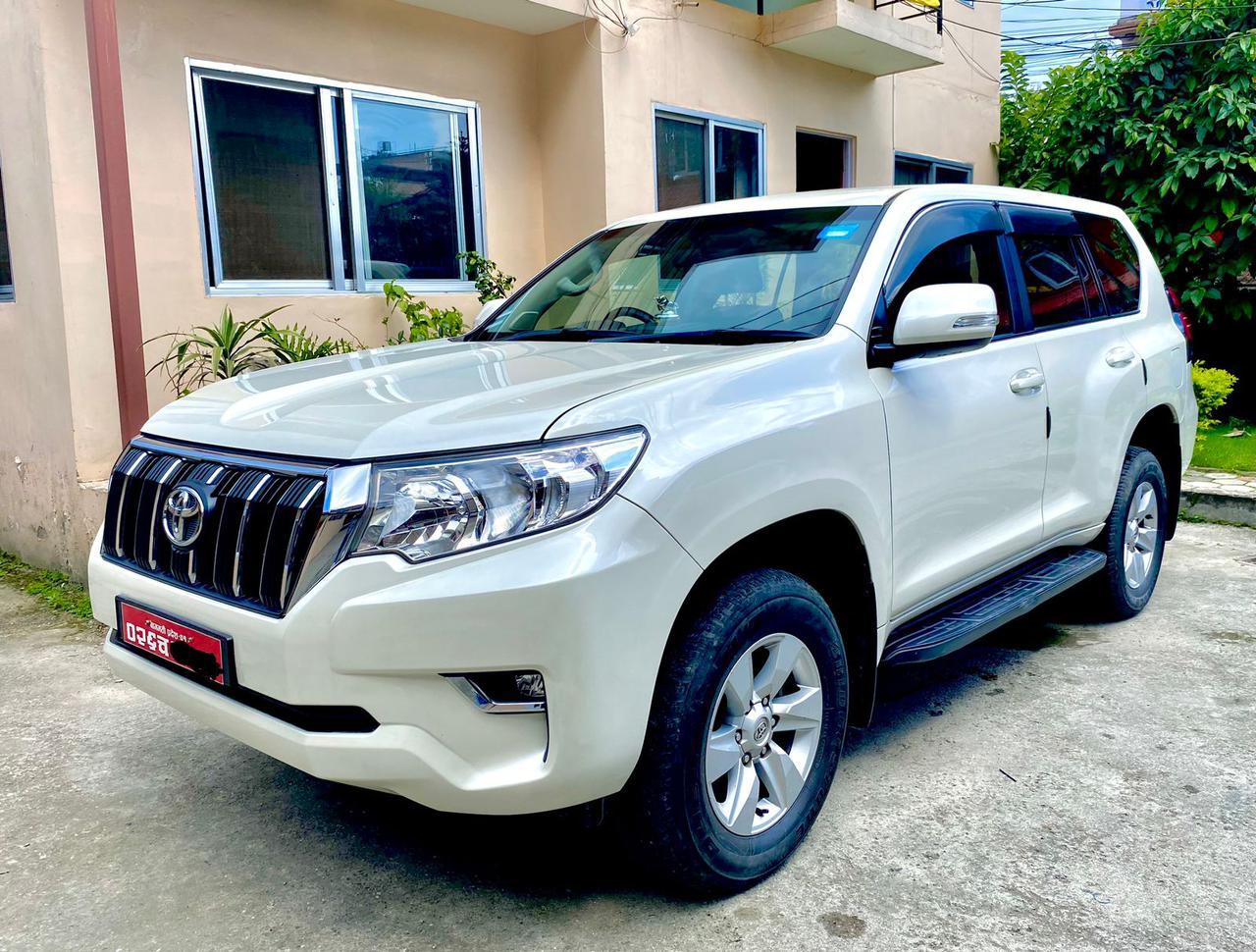
Luxury Vehicle for Everest Heli Tour

Luxury Vehicle for Everest Heli Tour

After multiple self drive car rental in Kathmandu experiences, here’s what I wish someone had told me on day one:

1. Get a Local SIM Card Immediately

Buy at airport (NPR 500-1,000 for tourist SIM with data). You need this for:

  • Google Maps navigation
  • Contacting rental company if issues arise
  • Emergency calls
  • Restaurant/hotel reservations while mobile

Ncell and Nepal Telecom have best coverage. Load at least 10-15 GB data for GPS usage.

2. Download Offline Maps

Google Maps allows offline download. Do this for:

  • Kathmandu Valley
  • Route to Pokhara (if planning that drive)
  • Nagarkot/Dhulikhel area

Network coverage is spotty in mountains. Offline maps literally save the day.

3. Morning Starts Change Everything

I cannot stress this enough. Leave by 6-7 AM for any major driving day:

  • Traffic is 70% lighter
  • You reach destinations before crowds
  • Weather is clearer for mountain views
  • Locals aren’t congesting roads yet

That Nagarkot sunrise trip? Starting at 4:30 AM means you’re back in Kathmandu by 10 AM, having experienced magic that afternoon drivers completely miss.

4. Carry Emergency Supplies

Keep in vehicle:

  • 2-3 liters bottled water
  • Snack bars
  • First aid kit (basic)
  • Phone power bank
  • Flashlight
  • Toilet paper (trust me on this)

Nepal’s roadside facilities aren’t always conveniently located.

5. Take the Scenic Detours

GPS shows the fastest route. Sometimes the most rewarding experiences are on the “longer” road.

Example: Driving Kathmandu to Nagarkot via Bhaktapur adds 20 minutes but offers immensely better scenery than the “direct” route. Worth it every time.

6. Learn Basic Nepali Phrases

Super helpful:

  • “Kaha cha?” (Where is?)
  • “Kati ho?” (How much?)
  • “Dhanyabad” (Thank you)
  • “Tapai lai English bolchha?” (Do you speak English?)

Locals appreciate the effort, become more helpful. Plus it enhances your experience feeling more connected to places you’re exploring.

7. Park Smart, Not Sorry

Always:

  • Park in visible, public areas
  • Use parking lots when available
  • Lock all doors, close windows
  • Don’t leave bags/cameras visible

Nepal is quite safe, but opportunistic theft exists anywhere. Don’t make yourself an easy target.

8. Refuel Before It’s Critical

Don’t let tank drop below quarter-full. That remote stretch to Nagarkot? Next station might be 30 km away. Running out of fuel means expensive tow truck or shameful roadside wait for help.

9. Document Everything Photographically

Before leaving rental office:

  • 360° video of entire vehicle
  • Close-ups of every existing scratch/dent
  • Dashboard showing odometer and fuel level
  • All documents

At return:

  • Same documentation process

These photos have resolved disputes for me twice. Five minutes of photography saves potential thousands in contested charges.

10. Respect the Vehicle, Respect the Adventure

This rental car is your freedom machine for the duration. Treat it well:

  • Don’t push speed unnecessarily on rough roads
  • Brake gradually, accelerate smoothly
  • Park carefully to avoid scrapes
  • Report issues immediately to rental company

Your deposit refund and future renters depend on you not being reckless.

Day Trips Beyond the Ordinary: Hidden Gems

Tourist guides cover Bhaktapur and Nagarkot endlessly. Let me share routes most visitors never discover:

The Kakani Circuit (Half Day, ~70 km)

Drive north to Kakani (29 km from Kathmandu). This is where locals escape summer heat. Winding mountain roads through terraced fields, pine forests, and when you reach Kakani viewpoint – Ganesh Himal range dominates the northern horizon.

There’s a memorial park (Nepal plane crash site) that’s respectfully maintained. Several small restaurants serve local food. The drive back via different route through Balaju creates nice loop.

Zero tourists. I mean it. Last time I went (December), we were the only vehicle at the viewpoint for 30 minutes.

Sundarijal to Chisapani Road (Full Day, ~90 km round trip)

Sundarijal marks Shivapuri National Park entrance. You can drive partway up this route – paved road gives way to rough track, but regular cars handle the initial sections fine.

The water’s journey from here supplies much of Kathmandu’s drinking water. Hiking trails lead to Chisapani (you’d park and hike), but even the drive partway offers incredible valley views.

Pack lunch, make it a nature day. Different vibe from temple circuits.

Godawari Botanical Garden & Phulchowki (Half Day, ~50 km)

Southeast of Patan, Godawari sits at Phulchowki mountain base. The botanical garden is pleasant, but the drive UP Phulchowki mountain is where magic happens.

Highest point in Kathmandu valley rim (2,782m), the road winds through rhododendron forests (spectacular in spring), cloud forests, and reaches a hilltop shrine. On clear days, you see across to Langtang Himalayas north and Terai plains south simultaneously.

Road is paved but narrow with sharp turns. Absolutely worth it. Take compact car, not SUV.

Balthali Village (Full Day, ~65 km)

Between Panauti and Khopasi, Balthali remains this peaceful farming village where tourism hasn’t quite reached. Drive through terraced fields, cross suspension bridge, park at village edge.

Walk around, interact with locals (extremely friendly), visit small temples. Several guesthouses offer lunch with homegrown vegetables.

This is “real Nepal” that guidebooks miss. The drive back via Panauti ancient town completes a culturally rich day.

The Terai Glimpse: Chitwan National Park (2-3 Days, ~320 km round trip)

Ambitious but absolutely doable with self drive car rental in Kathmandu. The Prithvi Highway to Narayanghat, then south to Chitwan takes 6-7 hours.

You transition from mountains to flat Terai plains – completely different landscapes, climate, even culture. Chitwan offers jungle safaris, elephant breeding center, Tharu village experiences.

Having your own vehicle in Chitwan area is fantastic. Safari lodges are spread out, having transportation independence is valuable.

The return drive via Hetauda creates different route option (slightly longer but scenic mountain roads).

Internal Resources for Planning Your Trip

For comprehensive information about vehicle options and booking, visit the Kathmandu Car Services homepage for current fleet availability.

Looking for specific vehicle categories? Check their SUV rental section if you’re planning mountain adventures, or browse sedan options for highway comfort.

Planning a Pokhara drive? Their Kathmandu to Pokhara rental guide provides detailed information about this popular route.

For pricing transparency, their rental rates page shows current market pricing across all vehicle categories.

Need airport pickup? Learn about airport transfer services which can be combined with your rental.

First-time drivers in Nepal should read their driving tips guide for essential local knowledge.

Cheapest luxury Car Rental in Nepal

Cheapest Car Rental in Nepal

Frequently Asked Questions (FAQs)

Q: Can foreigners legally drive rental cars in Kathmandu?

Yes, absolutely. Foreigners can legally rent and drive vehicles in Nepal. You need a valid driving license from your home country plus an International Driving Permit (IDP). The IDP is technically required by Nepal law, and traffic police do check for it, especially on highways. Process your IDP before traveling – it costs around $15-25 and is valid for one year.

Q: Is it safe to drive in Kathmandu as a tourist?

Kathmandu driving looks chaotic initially but is surprisingly safe once you understand the flow. Traffic moves relatively slowly due to congestion, which actually reduces accident severity. The key is defensive driving – stay alert, watch all directions, and don’t be aggressive. Thousands of tourists successfully drive in Kathmandu annually. Start with shorter trips to build confidence before attempting highway drives.

Q: What’s the minimum age requirement for self drive car rental in Kathmandu?

Most rental companies require drivers to be minimum 21 years old, though some premium vehicle categories require 25+. You’ll also need at least 1-2 years of driving experience (license issue date proves this). Some companies charge young driver surcharge (NPR 500-1,000 daily) for drivers under 25.

Q: Can I take my rental car to Pokhara or other cities outside Kathmandu?

Yes, most rental agreements allow travel throughout Nepal. However, inform the rental company about your planned routes beforehand. Some companies restrict vehicles to Kathmandu valley only (cheaper rates), while others offer Nepal-wide coverage. Mountain roads to remote areas may require special permission or higher insurance. Always clarify geographical restrictions in your rental agreement.

Q: What happens if I get into an accident with my rental car?

First, ensure everyone’s safety and call police if anyone’s injured or there’s significant damage. Then immediately contact your rental company – they’ll guide you through the process. If you have CDW insurance, document everything with photos. Exchange information with other parties involved. Your rental company usually handles insurance claims, but you’ll pay the excess amount (typically NPR 10,000-25,000) even with CDW coverage. Never leave an accident scene without proper documentation.

Q: Are there automatic transmission cars available for rent?

Yes, but options are more limited compared to manual transmission vehicles. Automatic cars cost 15-20% more than equivalent manual models. In Kathmandu’s stop-go traffic, automatics are definitely more comfortable. Book advance if you specifically need automatic – they’re popular and rent out quickly during peak season.

Q: How much does fuel cost and what’s the average daily fuel expense?

Petrol costs NPR 175-185 per liter (February 2026 prices). Diesel is slightly cheaper at NPR 165-175 per liter. Daily fuel expense depends on your driving:

  • City driving only: NPR 500-800 daily
  • Valley exploration (80-100 km): NPR 800-1,200 daily
  • Highway trip to Pokhara: NPR 2,000-2,500 one way

Compact cars are most fuel-efficient (15-17 km/liter in city), while SUVs consume more (8-11 km/liter).

Q: Do I need to pay toll charges on Nepal roads?

Some highways and infrastructure have tolls, but amounts are minimal:

  • Koteshwor-Kalanki tunnel: NPR 50
  • Various bridges: NPR 20-30
  • Sindhuli Road (BP Highway): NPR 80-100

Total toll costs rarely exceed NPR 200-300 even on long trips. Keep small change handy as toll booths often don’t accept large notes.

Q: What’s included in the basic rental price?

Standard inclusions:

  • Vehicle with full fuel tank
  • Basic third-party insurance
  • Unlimited mileage (confirm this)
  • Vehicle registration documents
  • Spare tire and jack
  • 24/7 emergency contact number

Not typically included:

  • Fuel for your usage
  • CDW/comprehensive insurance (optional extra)
  • GPS device (optional extra)
  • Additional driver fee
  • Airport delivery charges

Q: Can I extend my rental period if I decide to keep the car longer?

Yes, most companies allow extensions if the vehicle isn’t pre-booked by another customer. Contact them at least 24 hours before your original return time. Extension rates often match your original daily rate, though some companies offer better weekly rates if you extend for 7+ days. You’ll sign an extension agreement and pay additional rent plus security deposit adjustment if needed.

Q: What happens if the car breaks down in a remote area?

Reputable rental companies provide 24/7 roadside assistance. Call their emergency number immediately. They’ll either guide you through simple fixes (like changing flat tire) or dispatch help to your location. In remote mountain areas, local mechanics are surprisingly capable and can handle most issues. Your rental company coordinates this. If the breakdown makes the vehicle undriveable, they should arrange replacement vehicle or recovery, though this might take several hours in remote locations.

Q: Are there restrictions on who can drive the rental car?

The rental agreement specifies authorized drivers – typically whoever signed the contract. Adding additional drivers requires:

  • Their valid license and IDP verification
  • Signature on rental agreement
  • Additional fee (NPR 300-500 daily per extra driver)
  • Some companies allow spouse/family members free

Anyone not listed on rental agreement should NOT drive. If unauthorized driver has accident, insurance becomes void and you’re liable for all costs.

Q: How do I handle parking in Kathmandu’s busy areas?

Parking strategies:

  • Tourist areas (Thamel, Durbar Squares): Use designated paid parking zones, NPR 100-200 for few hours
  • Shopping areas: Mall parking lots are easiest
  • Restaurants: Higher-end establishments have parking; local spots require street parking skills
  • Residential areas: Generally safe to park on roadside during day

Always lock vehicle, don’t leave valuables visible. Parking attendants at major sites charge small fees but watch your vehicle.

Q: What should I do if I get stopped by traffic police?

Stay calm and polite. Traffic police checkpoints are routine, especially on highways. Have ready:

  • Driving license and IDP
  • Vehicle registration (provided by rental company)
  • Insurance documents (provided by rental company)
  • Passport (carry copy)

If you violated a rule, police will explain and issue fine notice. Pay at designated traffic police office (they’ll give you address). Get official receipt. Never pay cash directly to officer without proper documentation – that’s bribery.

Q: Can I cross the Nepal-India border with my rental car?

Generally no. Most rental agreements prohibit taking vehicles outside Nepal. Insurance doesn’t cover international travel. The few companies that allow India border crossing charge substantially higher rates and require special permissions. If you need cross-border travel, discuss this specifically during booking – it’s complex and expensive.

Q: Is self drive car rental in Kathmandu cheaper than hiring a car with driver?

Depends on your usage. Self-drive typically costs NPR 3,000-15,000 daily depending on vehicle. Car with driver costs NPR 5,000-20,000 daily PLUS driver accommodation and meals if overnight.

For Kathmandu valley exploration (returning same day), self-drive is usually cheaper and offers more flexibility. For long highway trips, driver services might be worth extra cost if you’re uncomfortable with mountain driving or want to relax rather than drive.

Q: What’s the cancellation policy for car rentals?

Policies vary by company, but typical terms:

  • Cancel 72+ hours before pickup: Full refund minus processing fee
  • Cancel 24-72 hours before: 50% refund
  • Cancel under 24 hours: No refund
  • No-show: Full charges applied

Read cancellation terms when booking. Some companies offer flexible cancellation for additional fee. During peak season, cancellation policies are stricter.

Conclusion: Your Kathmandu Adventure Awaits

After everything we’ve covered about self drive car rental in Kathmandu, it comes down to one thing: freedom.

Experience the freedom to explore on your own terms—chase sunrises at Nagarkot without worrying about pickups, discover hidden temples, stop at roadside stalls, and take detours whenever something catches your eye.

I’ve done Kathmandu both ways – taxi-dependent and self-driving. The difference isn’t just about money saved (though you will save). It’s about the quality of experiences you create when you’re genuinely exploring, not just being transported.

Yes, the traffic looks chaotic at first. Yes, you might miss a turn or two. But you’ll also discover viewpoints no guidebook mentions, arrive at temples during magical quiet hours, and connect with Nepal in ways guided tours never allow.

Here’s my honest take: If you’re comfortable driving and want more than surface-level tourism, self drive car rental in Kathmandu is absolutely worth it. Start with a day rental to Bhaktapur if you’re nervous. Test the waters. I guarantee you’ll be planning longer trips before you return those keys.

The roads are waiting. The adventures are real. The only question is whether you’re ready to grab those keys and start exploring.

Ready to start your adventure? Check out available vehicles and book your self drive car rental in Kathmandu today.
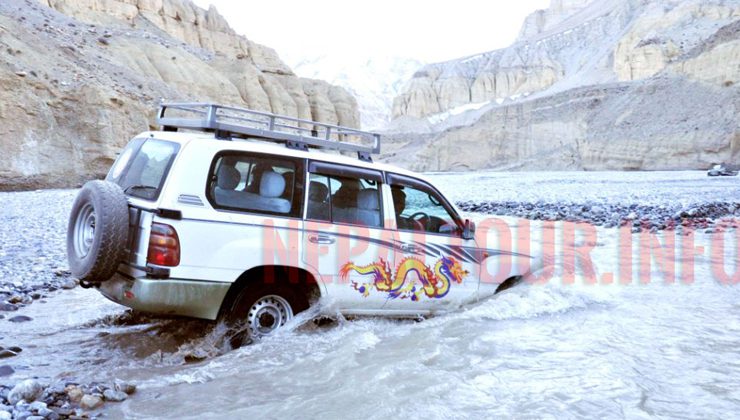
Jeep & 4WD Vehicle Rental

Jeep & 4WD Vehicle Rental

Ready to start your adventure? Check out available vehicles and book your self drive car rental in Kathmandu today.

Loading

Read More...
langtang-heli
+

Nepal Airport Pickup | Reliable Kathmandu Airport Transfer

Bhadrapur Airport Transfers

Bhadrapur Airport Transfers

Ever landed at Tribhuvan International Airport at 2 AM, exhausted from a 14-hour journey, only to face aggressive taxi touts and confusing price negotiations? You’re not alone. This happens to thousands of travelers arriving in Kathmandu every month.

Here’s the thing: your Nepal adventure shouldn’t start with stress. After working with over 15,000 international travelers since 2018, we’ve learned exactly what makes airport arrivals smooth versus chaotic. And that’s what this guide is all about – helping you arrive in Nepal with confidence, not confusion.

I’m sharing insights from our seven years of operating Nepal airport pickup services in Kathmandu, including real traveler experiences, pricing transparency you won’t find elsewhere, and practical tips that tour companies don’t usually share.

Why Most Travelers Book Airport Pickup Before Landing in Nepal

Let me tell you what actually happens at Tribhuvan International Airport arrivals.

The moment you walk out with your luggage, you’ll be approached by 5-10 taxi drivers simultaneously. They’re competing for your business, which sounds good in theory. But here’s the reality:

  • Standard taxi fare to Thamel: NPR 800-1000 (around $6-7)
  • What tourists often get quoted: NPR 3000-4000 (around $22-30)
  • The difference: 3-4x markup just because you’re a foreigner

One of our clients, Sarah from Australia, shared her experience: “I tried bargaining with airport taxis on my first Nepal trip. After 20 minutes of back-and-forth, I was mentally exhausted before even reaching my hotel. On my second visit, I pre-booked with Kathmandu Car Services. Night and day difference.”

The Real Problem with Airport Taxis in Nepal

Here’s what we’ve learned from talking to hundreds of first-time visitors:

Language barriers create genuine safety concerns. When you can’t clearly communicate your hotel name or address, you risk ending up at the wrong location – especially problematic late at night.

Meter manipulation is common. Some taxis have meters that run 2-3x faster than they should. You won’t notice until you’re already en route.

“Tourist pricing” isn’t just about higher fares. It’s about inconsistency. One traveler pays $10, another pays $30 for the same route. Neither knows if they got a fair deal.

Pro tip from our experience: The chaos isn’t about bad people – it’s about an unregulated system. Pre-booking eliminates this.

Nepal Airport Pickup

How Professional Airport Pickup Actually Works

Think of Kathmandu airport pickup as having a local friend waiting for you. Here’s the exact process:

Before You Land

48 hours before arrival, you receive:

  • Your driver’s name and photo
  • Vehicle details (make, model, license plate)
  • Driver’s direct WhatsApp number
  • Clear meeting point instructions

We automatically sync with your flight schedule. If your Qatar Airways flight from Doha gets delayed 3 hours (happens frequently), your pickup time adjusts automatically. No calls needed, no extra charges.

At The Airport

Your driver waits at the international arrivals exit holding a clear name board. Not a tiny paper – a professional sign you’ll spot from 20 feet away.

Here’s what makes this different: you don’t search for your ride; your ride finds you.

Most travelers clear customs and immigration in 30-45 minutes. We track flight landing times and adjust accordingly. One client’s flight landed at 11 PM instead of 8 PM due to weather delays in Bangkok – our driver was there at 11 PM, not 8 PM.

The Journey to Your Hotel

Real conversation happens. Our drivers aren’t just navigators – they’re your first local connection. Want to know where to get the best momo in Thamel? Which ATM has the lowest fees? How to spot fake trekking gear shops? They’ll tell you.

Average journey times (but traffic varies significantly):

  • Airport to Thamel: 25-50 minutes
  • Airport to Patan/Lalitpur: 30-55 minutes
  • Airport to Bhaktapur: 40-70 minutes
  • Airport to Nagarkot: 90-120 minutes

Transparency note: We give ranges because Kathmandu traffic is genuinely unpredictable. Morning rush hour (7-9 AM) and evening (5-7 PM) can double journey times.

What You Actually Pay: Real Nepal Airport Pickup Pricing

Let’s talk numbers – the transparent kind you rarely see online.

Sedan (Perfect for 1-3 Passengers)

Airport to Thamel/Central Kathmandu: NPR 1,200-1,500 ($9-11) Airport to Patan/Lalitpur: NPR 1,400-1,700 ($10-13) Airport to Bhaktapur: NPR 2,200-2,500 ($16-19) Airport to Nagarkot: NPR 4,500-5,000 ($33-37)

Prices include: fuel, tolls, airport parking, driver service, and 60 minutes of free waiting.

SUV (Ideal for 4-5 People or Extra Luggage)

Airport to Thamel/Central Kathmandu: NPR 2,000-2,400 ($15-18) Airport to Patan/Lalitpur: NPR 2,300-2,700 ($17-20) Airport to Bhaktapur: NPR 3,200-3,600 ($24-27) Airport to Nagarkot: NPR 6,000-6,500 ($44-48)

SUVs recommended if you have: trekking backpacks, ski equipment, or 4+ large suitcases

Van/Hiace (Groups of 6-10 Passengers)

Airport to Thamel/Central Kathmandu: NPR 3,500-4,000 ($26-30) Airport to Patan/Lalitpur: NPR 3,800-4,300 ($28-32) Airport to Bhaktapur: NPR 4,800-5,300 ($35-39)

Group bookings: Each additional person costs ~$3-4, making vans more economical than multiple sedans

What’s NOT Included (And Why That Matters)

We include everything except:

  • Additional stops beyondthe  airport and hotel (if you want to stop at a restaurant or store, there’s an NPR 200-300 charge per stop)
  • Waiting beyond 60 minutes after actual landing (NPR 300 per additional 30 minutes)
  • Route changes after booking (if you decide mid-journey to visit a different hotel)

Why we mention this: Many services claim “all-inclusive” then add mysterious charges. We’d rather be upfront.

The Vehicles: What You’re Actually Riding In

Our Sedan Fleet

Models: Toyota Corolla Altis, Hyundai Elantra, Honda Civic Age: Maximum 3 years old (we maintain strict fleet turnover) Condition: Deep-cleaned after every airport run, not just “wiped down.”

Real maintenance standards:

  • Oil changes every 5,000 km (not the manufacturer’s 10,000 km recommendation)
  • AC servicing every 3 months (critical in Kathmandu’s dusty conditions)
  • Safety inspection every 30 days by certified mechanics

Our SUV Fleet

Models: Toyota Fortuner, Mahindra Scorpio, Nissan Terra. Special features: Higher ground clearance (important for Nepal’s road conditions), larger luggage capacity, better visibility in traffic

When clients choose SUVs:

  • Traveling with elderly family members (easier entry/exit)
  • Continuing directly to hill stations (better suited for mountain roads)
  • Arriving with professional camera equipment or sports gear
  • Simply preferring more space after long flights

Our Van/Group Fleet

Models: Toyota Hiace (9-12 seater), Tourist Vans (13-15 seater). Perfect for: Trekking groups, corporate delegations, family reunions, wedding parties

Insider insight: We position our vans at specific lots because Tribhuvan Airport’s pickup area gets congested. For van bookings, your driver will guide you to the vehicle via phone – it’s a 2-minute walk but avoids 20 minutes stuck in airport traffic.

Airports-in-Nepal

Flight Delays & Cancellations: What Actually Happens

This is where airport pickup serviceNepall proves its value.

Real Example: December 2024

Qatar Airways QR652 from Doha was delayed 6 hours due to fog in Kathmandu. We had 14 passengers booked on that flight.

What we did:

  • Monitored flight status automatically through our system
  • Sent WhatsApp updates to all 14 passengers
  • Adjusted all driver schedules without passengers having to call us
  • Zero extra charges for the delay
  • All 14 passengers picked up smoothly when the flight finally landed at 2:30 AM

What airport taxis would have done: Left after 30 minutes. Passengers would have scrambled for transport at 2:30 AM.

Your Free Waiting Time: The Fine Print

First 60 minutes after actual landing: Completely free, no questions asked

This covers:

  • Immigration queues (can take 30-45 minutes during peak hours)
  • Baggage claim delays (common at TIA)
  • Quick bathroom stop or currency exchange

After 60 minutes: NPR 300 per 30 minutes

Why we charge after an hour: Our drivers have families and other commitments. An hour is generous – it accommodates 95% of arrivals smoothly.

Fair refund policy: If your flight is cancelled entirely and you notify us within 12 hours, full refund. No “processing fees” or “administrative charges.”

Safety Standards: What “Licensed & Insured” Actually Means

Let me be specific because “licensed” gets thrown around loosely in Nepal’s tourism industry.

Our Driver Requirements

Every Kathmandu Car Services driver must have:

  1. Valid commercial driving license (not regular license – commercial permits require higher standards and annual renewals)
  2. Minimum 5 years of commercial driving experience
  3. Police clearance certificate renewed annually
  4. Basic English proficiency (tested by us, not just claimed)
  5. Defensive driving certification from recognized institutions

What this means in practice: When you’re navigating Kathmandu’s chaotic traffic at midnight, experience matters. We’ve had zero accidents involving airport pickups in 7 years – this isn’t luck, it’s standards.

Vehicle Insurance Details

Comprehensive insurance covering:

  • Up to NPR 10 million (approximately $75,000) per passenger
  • Medical expenses for accident-related injuries
  • Property damage liability
  • Replacement vehicle provision if a breakdown occurs

Real scenario this covered: In 2023, one of our vehicles had a mechanical issue 10 minutes from the airport. We had a replacement vehicle at the location within 15 minutes. The passengers barely noticed the switch – just a minor delay.

COVID-19 & Hygiene Protocols (Still Relevant in 2025)

Even though pandemic restrictions have eased:

  • Vehicles are sanitized after every trip
  • Drivers carry hand sanitizer
  • Masks available on request
  • AC filters changed monthly (not just when they look dirty)

Why we maintain this: Nepal’s dust and pollution make vehicle hygiene important beyond COVID concerns.

Booking Your Nepal Airport Pickup: Three Ways That Actually Work

Method 1: WhatsApp (Most Popular – 70% of Our Bookings)

Why travelers prefer this:

  • Instant human response (average: 8 minutes)
  • Easy to share flight screenshots
  • Simple back-and-forth for questions
  • Photo sharing for special requirements

How it works:

  1. Save +977 98510 36473 to your phone
  2. Message: “Airport pickup booking.”
  3. We’ll ask for:
    • Your flight number and date
    • Number of passengers
    • Hotel/destination name
    • Any special needs
  4. You get an instant quote
  5. Confirm with “Yes” or “Confirmed”
  6. Receive booking confirmation with driver details (24 hours before arrival)

Real advantage: If your plans change, just WhatsApp us. No “Please email our cancellations department” bureaucracy.

Method 2: Website Booking (Best for Advance Planning)

Go to: www.kathmanducarservices.com/airport-pickup

Process takes 3 minutes:

  1. Select the “Airport Pickup” service
  2. Choose the pickup location (Tribhuvan Airport) and drop-off
  3. Enter flight details and date
  4. Select vehicle type
  5. Add passenger information
  6. Get an instant price quote
  7. Confirm booking

Confirmation arrives via:

  • Email (with booking reference and all details)
  • SMS (with driver contact for day-of communication)

Website advantage: You can see all vehicle options with photos and compare prices side-by-side.

Method 3: Email (For Corporate/Group Bookings)

Email: sales@nepaltour.info

Best for:

  • Group bookings (6+ passengers)
  • Corporate clients needing invoices
  • Complex itineraries with multiple stops
  • Clients who prefer detailed written communication

Response time: Within 4 hours (we check email 6 times daily)

What to include:

Subject: Airport Pickup Booking Request

Flight: [Flight number]
Date: [Arrival date]
Time: [Scheduled arrival time]
Passengers: [Number of people]
Destination: [Hotel name and area]
Vehicle preference: [Sedan/SUV/Van]
Special requests: [Child seats, extra luggage, etc.]

Popular Routes: What Travelers Actually Book

Airport to Thamel (35% of Our Bookings)

Distance: 6.5 km
Typical duration: 25-45 minutes
Why it’s popular: Thamel is Nepal’s tourist hub – hotels, restaurants, trekking shops, and travel agencies all concentrated here.

Traveler types: Backpackers, trekkers, first-time visitors, solo travelers

Pro tip: If arriving during rush hour (7-9 AM or 5-7 PM), add 15-20 minutes to journey estimates.

What drivers will show you en route:

  • Kathmandu’s main Ring Road
  • First glimpses of the Pashupatinath temple area
  • The transition froma  quiet airport zone to a bustling city center

Airport to Patan/Lalitpur (20% of Our Bookings)

Distance: 8-10 km
Typical duration: 30-55 minutes
Why travelers choose it: Calmer than central Kathmandu, rich cultural heritage, and UNESCO World Heritage Durbar Square

Traveler types: Culture enthusiasts, longer-term visitors, those seeking quieter neighborhoods

Route highlights:

  • You’ll cross the Bagmati River
  • Pass through Kathmandu’s southern areas
  • See the shift to Patan’s more traditional architecture

Accommodation note: Many boutique hotels and heritage properties are in Patan. Our drivers know the narrow lanes that GPS often gets wrong.

Airport to Bhaktapur (12% of Our Bookings)

Distance: 15 km
Typical duration: 40-70 minutes
Why it’s special: Ancient Newari city, less touristy than Kathmandu, authentic cultural experience

Traveler types: Cultural travelers, photography enthusiasts, those wanting to avoid Kathmandu’s chaos entirely

Journey experience:

  • Leave Kathmandu’s urban density behind after 15 minutes
  • Pass through semi-rural areas with traditional farming
  • Arrive in Bhaktapur’s preserved medieval atmosphere

Driver insight: Our Bhaktapur route drivers are locals who can recommend family-run guesthouses and authentic Newari restaurants tourists rarely find.

Hotels near Tribhuvan International Airport

Hotels near Tribhuvan International Airport

Airport to Nagarkot (8% of Our Bookings)

Distance: 32 km
Typical duration: 90-120 minutes
Why travelers go directly: Famous for Himalayan sunrise views, want to skip Kathmandu entirely, start trip with mountain scenery

Traveler types: Romantic couples, photographers, travelers with limited Nepal time, maximizing mountain exposure

Route experience:

  • Dramatic elevation gain (1,400m airport → 2,195m Nagarkot)
  • The temperature drops noticeably as you climb
  • Road conditions vary (paved but winding)
  • Spectacular views emerge in the final 30 minutes

Seasonal note: December-February mornings can be cold in Nagarkot (5-10°C). Our drivers carry extra blankets in winter.

Pro tip: Morning arrivals can grab lunch in Nagarkot and catch sunset over the Himalayas. Evening arrivals should book hotels with sunrise wake-up calls – it’s worth it.

What Makes Our Airport Pickup Service Different (Honest Comparison)

vs. Airport Taxis

Airport Taxis:

  • ❌ Price uncertainty until you arrive
  • ❌ No flight delay accommodation
  • ❌ Language barriers are common
  • ❌ Vehicle condition varies dramatically
  • ❌ No accountability if issues arise

Kathmandu Car Services:

  • ✅ Fixed price known before landing
  • ✅ Automatic adjustment for delays
  • ✅ English-speaking drivers verified
  • ✅ Maintained vehicles to standards
  • ✅ 24/7 support team for problems

Cost difference: NPR 200-300 more than negotiated taxi rates, but zero stress premium.

vs. Hotel Pickup Services

Many hotels offer “free airport pickup,” but:

  • Usually only for room bookingsof  3+ nights
  • Often outsourced to the same taxi pool
  • Limited to specific arrival time windows
  • No flexibility if you change hotels

Our advantage: Book pickup independent of accommodation. Change hotels mid-trip? No problem – we adjust.

vs. Ride-Hailing Apps

Pathao and InDriver operate in Kathmandu, but:

  • Limited airport availability (drivers avoidthe  airport area due to parking hassles)
  • Surge pricing during peak times
  • Language barriers remain
  • No luggage assistance
  • No flight tracking

When ride-hailing works: Return trips from the hotel to the airport. For arrivals, pre-booking is more reliable.

Special Situations We Handle Regularly

Arriving with Children

What we provide:

  • Child seats (infant carriers, toddler seats, boosters) – specify age and weight when booking
  • Extra patient drivers (no rushing, understand bathroom breaks might be needed)
  • Clean vehicles (important for young children with allergies)

Parent tip from our clients: Request child seats at least 48 hours in advance. We have limited inventory, especially for infant carriers.

Elderly or Mobility-Challenged Passengers

Our accommodation:

  • SUVs with higher seating (easier entry/exit than low sedans)
  • Drivers who assist with luggage and boarding
  • Slower, more cautious driving if requested
  • Door-to-door service (right to hotel lobby, not just street)

Wheelchair accessibility: We don’t have wheelchair-lift vehicles currently, but drivers help with transfers for passengers who can move short distances with support.

Large Luggage or Equipment

Common scenarios:

  • Trekking gear (large backpacks, sleeping bags, trekking poles)
  • Ski equipment (becoming popular for Helicopter skiing operations)
  • Professional camera gear (film crews, photographers)
  • Excess checked baggage

Our solution: SUVs have roof racks. Vans have cargo areas. Specify “oversized luggage” when booking so we assign appropriate vehicles.

Nepalgunj Airport

Nepalgunj Airport

Multi-Stop Requests

Example itinerary: “Pick up from airport → stop at currency exchange → stop at trekking shop → drop at hotel in Thamel”

How we handle it:

  • First stop included free
  • Additional stops: NPR 200-300 each
  • Extra time charges if the total journey exceeds the standard route time by 30+ minutes

Worth noting: Most travelers don’t need this. Currency exchange and ATMs exist at the airport and in Thamel.

Late Night/Early Morning Arrivals

Common concern: “My flight lands at 1:30 AM. Will anyone be there?”

Our reality: About 40% of Tribhuvan International Airport arrivals are between 10 PM and 5 AM. It’s completely normal.

What happens:

  • Driver arrives 30 minutes before your expected arrival (not just landing time – after you clear immigration)
  • Well-lit parking area right at the international terminal
  • 24/7 support team is available if any confusion

Safety note: This is actually when pre-booked pickup matters most. The airport area is safe, but you don’t want to be negotiating taxi prices when you’re exhausted at 2 AM.

Real Questions from Real Travelers (2025 Edition)

“I booked a hotel offering free airport pickup. Should I still book with you?”

Honest answer: If your hotel’s free service is confirmed and includes flight tracking, it might work fine.

When travelers choose us anyway:

  • Hotel pickup only for arrivals between 9 AM and 7 PM
  • Changing hotels during the trip (our pickup is independent)
  • Hotel outsources to random taxis (quality varies)
  • Wanting direct communication with the driver before landing

Middle option: Try hotel service, keep our WhatsApp number saved as backup.

“What if I can’t find my driver at the airport?”

Step-by-step solution:

  1. Immediately after clearing customs, turn on your phone and check WhatsApp
  2. Message your driver (contact sent 24 hours before): “I’m at arrivals now.”
  3. Look forthe  name board at international arrivals exit (can’t miss it)
  4. If you don’t see the board within 5 minutes, call driver directly
  5. If the driver doesn’t answer (rare), call our 24/7 support: +977 98510 36473

This has happened: In 7 years and 15,000+ pickups, we’ve had maybe 10 cases where passenger and driver missed each other initially. All resolved within 5-10 minutes via phone communication.

Why does it happen:

  • Passenger exits from wrong door (TIA has multiple exits)
  • DThe driverstepped away for the bathroom (we tell them not to, but emergencies happen)
  • Phone network issues (rare but possible)

Our guarantee: If you can’t locate your driver and we can’t resolve it within 15 minutes, we’ll send another driver immediately AND refund your booking. Has never come to that.

“Can I book for someone else arriving in Nepal?”

Absolutely yes. About 15% of our bookings are “gift pickups.”

Common scenarios:

  • Parents booking for adult children traveling to Nepal
  • Companies booking for visiting employees
  • Friends arranging pickups for friends visiting
  • NGOs booking for incoming volunteers

How it works:

  1. You make the booking with your payment
  2. Provide the arriving passenger’s name (must match passport), phone number, and flight details
  3. We contact them 24 hours before arrival to confirm
  4. Driver picks them up with their name card
  5. We send you confirmation once pickup is complete

Communication: We keep both you (the booker) and the passenger informed throughout.

“What’s your cancellation policy?”

Full transparency:

Cancel 24+ hours before arrival: 100% refund, no questions. Cancel 12-24 hours before: 50% refun.d Cancel less than 12 hours before: No refund (driver already en route/waiting).F light cancelled by airline: 100% refund regardless of timing

Why nbe ot fully flexible: We decline other bookings for your time slot. Last-minute cancellations mean empty vehicles and lost income for drivers.

Modification flexibility: Change arrival time, hotel, or vehicle type anytime up to 6 hours before arrival – no charge for modifications.

“Do I tip the driver?”

Honest cultural context: Tipping isn’t mandatory in Nepal, but is appreciated.

What travelers typically do:

  • Short trips (under 30 minutes): NPR 100-200 (~$1-1.50) if service was good
  • Longer trips (30-60 minutes): NPR 200-300 (~$1.50-2.50)
  • Long trips (60+ minutes) or exceptional service: NPR 300-500 (~$2.50-4)

When tipping goes higher:

  • The driver helped with the heavy luggage significantly
  • Went out of their way to accommodate special requests
  • Provided valuable local information
  • Handled difficult traffic or delays well

Never expected for: Just doing the basic job. Our drivers earn fair wages.

“Can the driver stop for dinner or to pick up supplies?”

Short answer: Yes, reasonable stops are fine.

How to ask: Just tell your driver, “Can we stop at [place] for [reason]?”

Typical stops drivers accommodate:

  • ATM (5-10 minute stop)
  • Pharmacy for basic medicines
  • Convenience store for water/snacks
  • Quick dinner (if you want to eat before reaching the hotel late at night)

What’s not reasonable:

  • 30+ minute shopping trips (book a separate car rental for that)
  • Multiple distant locations way off route
  • Stops that push pickup into the next day (drivers have family commitments)

Charges: First 10-minute stop usually free. Extended stops or multiple stops might incur an NPR 200-300 charge – the driver will mention this upfront.

Why Travelers Trust Kathmandu Car Services (The Numbers)

Our Track Record

Founded: 2018
Airport pickups completed: 15,000+
Countries served: 70+
Average rating: 4.9/5 (TripAdvisor)
Repeat booking rate: 62% (most travelers book return airport drop-off)

Awards & Recognition

TripAdvisor Travelers’ Choice: 2022, 2023, 2024, 2025 (Transportation category)

Why this matters: TripAdvisor awards are based entirely on traveler reviews and volume. You can’t buy these – you earn them through consistent service.

What Travelers Say (Real Reviews)

John M., USA (January 2025): “After reading horror stories about Kathmandu airport taxis, I pre-booked with Kathmandu Car Services. The driver was waiting with a clear sign, helped with bags, and got us to our Thamel hotel smoothly. The fixed price was actually lower than what my friend paid for an airport taxi the next day. Worth every rupee.”

Emma L., UK (December 2024): “Our flight from Dubai was delayed 4 hours. I was stressed about the pickup situation. They automatically tracked the delay and adjusted driver time. He was there when we actually landed at 1 AM. Impressive service.”

Raj & Family, India (November 2024): “Traveling with elderly parents and two young kids. Booked an SUV with child seats. The driver was incredibly patient, drove carefully, and helped my dad in and out of the car. Made our arrival so much easier.”

Marie D., France (October 2024): “I don’t usually write reviews, but this deserves one. Arrived solo, first time in Nepal, nervous about safety. The driver was professional, took us straight to the hotel via the most direct route (I tracked on my phone). Even gave us tips about avoiding tourist scams in Thamel. Felt safe the whole time.”

Corporate Clients Who Trust Us

We handle airport transfers for:

  • Major trekking agencies (Highland Expeditions, Nepal Trek Adventures)
  • Hotels (Hyatt Regency Kathmandu, Hotel Yak & Yeti)
  • International NGOs (names confidential per agreements)
  • Corporate offices with frequent international visitors

Why companies choose us: Reliability. When your CEO is arriving, you can’t risk pickup failures.

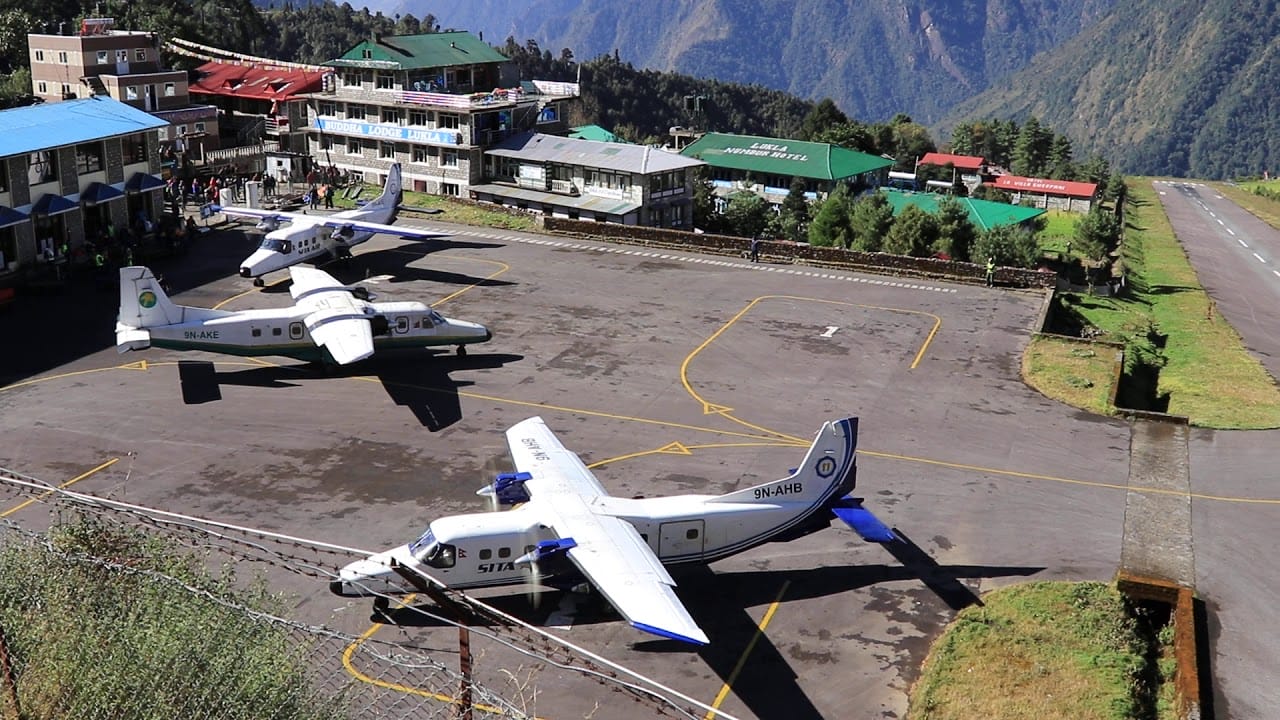
Lukla Airport

Lukla Airport

Book Your Nepal Airport Pickup Now

Here’s exactly what happens next:

Step 1: Choose Your Booking Method

Fastest: WhatsApp +977 98510 36473
Most convenient: www.kathmanducarservices.com
For groups/corporate: sales@nepaltour.info

Step 2: Provide Your Details

You’ll need:

  • Flight number and arrival date
  • Number of passengers
  • Hotel/destination name in Nepal
  • Contact number (WhatsApp preferred)

Step 3: Get Instant Confirmation

Within minutes, you receive:

  • Booking reference number
  • Price confirmation (fixed, no changes)
  • Pickup instructions
  • 24/7 support contact

Step 4: Receive Driver Details (24 Hours Before)

The day before your arrival:

  • Driver’s name and photo
  • Vehicle details and license plate
  • Driver’s direct WhatsApp/phone
  • Final confirmation of pickup time

Step 5: Land, Meet, Go

  • Driver waiting at arrivals with name board
  • Help with luggage
  • Direct transfer to your hotel
  • Your Nepal journey starts smoothly

Why This Matters More Than You Think

Here’s what we’ve learned in 7 years: Your first 60 minutes in a new country set the tone for your entire trip.

Arrive stressed, overcharged, and confused? That energy carries forward.

Arrive smoothly with a friendly driver who makes you feel welcome? You start exploring Nepal with confidence.

The cost difference between a chaotic airport taxi and our professional Nepal airport pickup is about $3-5 USD.

The experience difference is invaluable.

Your Nepal adventure – whether it’s trekking to Everest Base Camp, exploring ancient temples, or conducting business in Kathmandu – deserves to start on the right foot.

Book with confidence. Arrive with peace of mind.

📱 WhatsApp: +977 98510 36473
🌐 Website: www.kathmanducarservices.com
📧 Email: sales@nepaltour.info

We’re here 24/7. Your smooth arrival in Nepal is our commitment.

Final Honest Thoughts from Someone Who Does This Every Day

I’m Kulendra Baral, CEO of Kathmandu Car Services. I started this company in 2018 after seeing too many tourists struggle with airport arrivals.

The truth: Not every airport taxi is bad. Some are excellent. But as a visitor, you can’t tell the difference until it’s too late.

Our promise: Consistency. Every pickup should feel the same – professional, safe, transparent.

My personal commitment: If something goes wrong with your booking, message me directly. I read every complaint personally. We’re not perfect, but we fix mistakes quickly.

See you in Nepal. Welcome to the Himalayas.


Loading

Read More...
Rent a Toyota Land Cruiser
+

Car Rental in Nepal | Kathmandu Car Services

Types of Vehicle Rental in Nepal

Types of Vehicle Rental in Nepal

Looking for a reliable car rental in Nepal? Discover affordable options, insider tips, and everything you need to know about renting a car in Nepal for your Himalayan adventure with trusted local service.

Planning a trip to the land of mountains and monasteries? Whether you’re dreaming of cruising through Kathmandu’s vibrant streets or embarking on a scenic journey to Pokhara, car rental in Nepal offers the freedom and flexibility that group tours simply can’t match. Let me walk you through everything you need to know about renting a car in this beautiful country.

Why Choose Car Rental in Nepal for Your Trip?

When you’re exploring a country as diverse and breathtaking as Nepal, having your own wheels changes everything. Unlike rigid tour schedules, car rental in Nepal lets you stop at that hidden temple you spotted from the road, take photos during golden hour without rushing, and explore off-the-beaten-path villages at your own pace.

Nepal’s landscapes range from subtropical plains to towering Himalayan peaks, and the journey between destinations is often just as spectacular as the destinations themselves. With a rental car, you’re not just getting from point A to point B; you’re creating your own adventure.

The Freedom Factor

Imagine waking up in Kathmandu and deciding spontaneously to drive to Nagarkot for sunrise views over the Himalayas. Or taking a detour to a local market because the colorful prayer flags caught your eye. That’s the beauty of car rental in Nepa,l your itinerary becomes truly yours.

Types of Vehicles Available for Car Rental in Nepal

The variety of vehicles available might surprise you. From compact cars perfect for city exploration to sturdy 4x4s built for mountain roads, there’s something for every traveler and budget.

Popular Vehicle Options

Compact Cars: Ideal for solo travelers or couples exploring Kathmandu Valley. These fuel-efficient options make navigating narrow city streets a breeze and are the most affordable car rental in Nepce.

SUVs and Jeeps: If you’re heading to mountainous regions like Mustang, Langtang, or upper Chitwan, a 4×4 is your best friend. These vehicles handle rough terrain and unpaved roads with ease.

Minivans and Hiace: Traveling with family or a group? Spacious vans accommodate up to 12 passengers with luggage, making them perfect for group adventures and ensuring everyone travels together comfortably.

Luxury Sedans: For business travelers or those seeking extra comfort during longer journeys, premium sedans offer a smooth, comfortable ride with modern amenities.

Best Routes for Your Car Rental in Nepal Adventure

Rent a Toyota Land Cruiser

Rent a Toyota Land Cruiser

Nepal’s road network has improved dramatically in recent years, opening up incredible routes for self-drive adventures.

Kathmandu to Pokhara

This popular 200-kilometer route takes you through riverside scenery, terraced hillsides, and traditional villages. The drive typically takes 6-7 hours, but with car rental in Nepal, you can stop at Manakamana Temple (accessible by cable car), enjoy riverside lunch in Mugling, or explore Bandipur’s preserved Newari architecture.

Kathmandu Valley Circuit

Explore UNESCO World Heritage Sites, including Bhaktapur, Patan, Swayambhunath, and Pashupatinath,h at your leisure. This circuit is perfect for first-time visitors who want to experience Nepal’s rich cultural heritage without time pressure.

The Arniko Highwayto theo Tibet Border

For the adventurous, this route offers stunning mountain views and takes you through Dhulikhel, Panauti, and the Chinese Friendship Bridge. Note that you’ll need special permits to approach the border area.

My Personal Experience with Car Rental in Nepal

I’ll never forget my first car rental experience in Nepal three years ago. After countless group tours where I felt rushed through temples and couldn’t linger at viewpoints, I decided to rent a Toyota Land Cruiser for a week-long exploration.

The game-changer moment came on the third day. We were driving from Kathmandu to Chitwan when we passed a small village celebrating a local festival. The streets were alive with music, dancers in traditional attire, and the aroma of street food filled the air. With our rental car, we simply pulled over, parked, and spent two unexpected but magical hours with the locals.

They welcomed us with open arms, shared their food, explained the festival’s significance, and even convinced my travel partner to join the dancing. That spontaneous experience became the highlight of our entire Nepal trip—something we would’ve completely missed on a scheduled tour bus.

Having a driver who also served as our local guide enhanced the experience tremendously. He knew shortcuts, recommended authentic restaurants away from tourist traps, and shared stories about Nepal’s history that no guidebook could capture. When we wanted privacy or quiet time, he gave us space. When we had questions, he had answers.

The flexibility was liberating. We fell in love with the sunset views in Bandipur. A quiet riverside picnic happened after an unplanned detour. Sunrise photography in Nagarkot felt effortless, with no tour group schedules to worry about.

That trip taught me that car rental in Nepal isn’t just about transportation—it’s about transforming your journey from a checklist of tourist sites into a genuine cultural


How to Choose the Right Car Rental Service in Nepal

Not all rental companies are created equal. Here’s what to look for when selecting your car rental in Nepal provider.

Check Company Credentials

Ensure the company is registered with Nepal’s tourism board and has proper licensing. Established companies like Kathmandu Car Services have years of experience and understand tourist needs better than newer operations.

Read Reviews and Testimonials

Previous customer experiences tell you everything. Look for reviews mentioning driver professionalism, vehicle condition, pricing transparency, and how the company handles unexpected situations.

Vehicle Condition Matters

Before accepting any vehicle, inspect it thoroughly. Check tire condition, brakes, lights, air conditioning, and ensure all safety equipment is present. Take photos of existing damage to avoid disputes later.

Insurance Coverage

Confirm what insurance is included. Comprehensive coverage should protect you against accidents, theft, and third-party liability. Understand deductibles and what scenarios aren’t covered.

Driver Experience

If you’re hiring a car with a driver (highly recommended), ask about their experience level, language skills, and knowledge of routes you plan to take. Experienced drivers are invaluable guides who enhance safety and enjoyment.

Includes & Excludes: What’s Covered in Your Car Rental in Nepal Package

Toyota Coaster Hire

Toyota Coaster Hire

Understanding exactly what’s included in your rental package prevents surprises and helps you budget accurately.

Typically Included

Vehicle Rental: The base cost of renting the car for your specified duration, whether that’s daily, weekly, or monthly rates.

Professional Driver: Most car rental packages in Nepal include an experienced, licensed driver who knows local roads, speaks English, and can act as your guide.

Fuel for Standard Routes: Many packages cover fuel costs for popular tourist routes like Kathmandu-Pokhara or Kathmandu-Chitwan.

Basic Insurance: Third-party liability insurance is usually standard, protecting you in case of accidents involving other vehicles or property.

Driver’s Accommodation and Meals: For multi-day trips, the company typically covers the driver’s lodging and food expenses.

Airport Pickup and Drop-off: Convenient transfer service from Tribhuvan International Airport to your hotel and back.

Typically Excluded

Fuel for Extended Routes: If you venture beyond standard tourist circuits, additional fuel costs may apply, charged at actual consumption rates.

Entrance Fees: National park fees, monument tickets, and museum entries are your responsibility.

Your Personal Expenses: Food, accommodation, shopping, and activities for you and your travel companions.

Premium Insurance Upgrades: Enhanced coverage options with lower deductibles or additional protections may cost extra.

Permit Fees: Special permits are required for restricted areas like Upper Mustang, Manaslu, or the Tibet border regions.

Overtime Charges: If you exceed the agreed daily driving hours (typically 8-10 hours), additional charges may apply.

Tolls and Parking: Road tolls and parking fees in various cities and attractions.

Pro Tip

Always request a detailed quotation in writing before confirming your car rental in Nepal. This should clearly itemize all included and excluded items, preventing misunderstandings and ensuring transparent pricing.

Cost of Car Rental in Nepal: What to Expect

Pricing varies based on vehicle type, duration, and season, but car rental in Nepal remains surprisingly affordable compared to Western countries.

Budget-Friendly Options

Compact cars with drivers start around $50-70 per day for Kathmandu Valley exploration. This covers the vehicle, driver, fuel for local sightseeing, and basic insurance.

Mid-Range Comfort

SUVs and comfortable sedans suitable for longer journeys cost approximately $80-120 per day. These are perfect for trips to Pokhara, Chitwan, or Lumbini with better comfort and luggage space.

Premium Experience

Luxury vehicles and large groups requiring minibuses can expect $150-250 per day. This includes top-tier vehicles, experienced drivers, and premium service standards.

Money-Saving Tips

Book in advance, especially during peak seasons (October-November and March-April) when demand is high. Many companies offer discounts for weekly or monthly rentals. Traveling during monsoon season (June-August) can yield significant savings, though road conditions may be challenging.

Safety Tips for Car Rental in Nepal

car rental in Nepal

Nepal’s roads require respect and preparation. Following these guidelines ensures a safe, enjoyable experience.

Understanding Road Conditions

Roads in major cities are generally paved and well-maintained, but rural and mountain roads can be narrow, winding, and unpaved. During the monsoon season, landslides occasionally block routes temporarily.

Drive Smart

Always wear seatbelts, follow speed limits (which vary but are generally lower than those in Western countries), and avoid driving after dark when possible. Mountain roads without barriers require extra caution.

Communication is Key

Keep your driver informed about your preferences, comfort levels, and any concerns. Professional drivers appreciate passengers who communicate clearly and respect their expertise.

Emergency Preparedness

Carry a basic first-aid kit, bottled water, snacks, and your important documents. Save emergency contacts, including your rental company’s 24/7 helpline, your embassy, and local police (100).

Best Time for Car Rental in Nepal

Timing significantly impacts your driving experience and what you’ll see along the way.

Peak Season (October-November)

Clear skies, perfect temperatures, and excellent visibility of mountain ranges make autumn ideal for car rental in Nepal. Festivals like Dashain and Tihar add cultural richness, though roads can be busier.

Spring Season (March-May)

Rhododendrons bloom across hillsides, creating stunning landscapes. Weather remains pleasant, though afternoons can get warm at lower elevations. This is another excellent time for self-drive adventures.

Monsoon Season (June-August)

Lower prices and fewer tourists are attractive, but expect afternoon rains and potential road disruptions. If you don’t mind occasional delays and enjoy lush, green landscapes, this season has its own beauty.

Winter (December-February)

Clear skies but cold temperatures, especially in mountain areas. Excellent visibility of peaks, but pack warm clothing and be prepared for chilly mornings and evenings.

Permits and Documentation for Car Rental in Nepal

Having the right paperwork ensures smooth sailing through checkpoints and restricted areas.

Essential Documents

Carry your passport, visa, and travel insurance documents at all times. Your rental company will provide vehicle registration and insurance papers—keep these in the car.

Special Permits

Certain regions require additional permits. Your car rental in Nepal provider can often arrange these, but you’ll need to provide passport copies and photos in advance. Popular restricted areas include Upper Mustang, Manaslu Circuit, and areas near the Tibet border.

TIMS Card

Trekkers need a TIMS (Trekkers’ Information Management System) card. If your road trip includes trekking, obtain this through registered trekking agencies or tourism offices in Kathmandu or Pokhara.

Why Kathmandu Car Services Stands Out for Car Rental in Nepal

car rental Nepal

Choosing the right company makes all the difference between a stressful trip and a memorable adventure.

Local Expertise

With years of experience serving international tourists, we understand what travelers need. Our drivers don’t just navigate roads—they share stories, recommend hidden gems, and ensure you experience authentic Nepal.

Well-Maintained Fleet

Every vehicle undergoes regular safety inspections and maintenance. We provide clean, comfortable cars equipped with emergency supplies and modern amenities.

Transparent Pricing

No hidden fees, no surprises. Our detailed quotations clearly outline all costs, so you know exactly what you’re paying for when you choose our car rental in Nepal services.

24/7 Support

Travel doesn’t follow business hours. Our round-the-clock helpline ensures you always have support, whether you need route guidance, have a vehicle issue, or require emergency assistance.

Customer-Centric Approach

Your satisfaction drives everything we do. Flexible itineraries, customized packages, and attention to detail have earned us countless positive reviews from travelers worldwide.

FAQs About Car Rental in Nepal

Q: Do I need an international driving license to rent a car in Nepal?

A: For self-drive rentals, yes, you’ll need an international driving permit along with your home country license. However, most tourists prefer hiring a car with an experienced local driver, which doesn’t require you to have any driving credentials. This option is safer and more relaxing.

Q: Is it safe to drive in Nepal as a foreigner?

A: While possible, we recommend hiring a car with a driver. Nepal’s road conditions, driving customs, and traffic patterns differ significantly fromthose in  Western countries. Local drivers navigate these challenges expertly and enhance your trip with their knowledge.

Q: How far in advance should I book my car rental in Nepal?

A: Book at least 2-3 weeks in advance during peak seasons (October-November, March-April). For monsoon or winter travel, one week’s notice is usually sufficient. Early booking ensures better vehicle selection and rates.

Q: Can I take the rental car to Tibet?

A: No, rental cars registered in Nepal cannot cross into Tibet. If you’re planning a Tibet trip, you’ll need to arrange separate transportation through a Tibet tour operator with appropriate permits.

Q: What happens if the car breaks down?

A: Reputable companies like Kathmandu Car Services provide 24/7 roadside assistance. We’ll either repair the vehicle quickly or provide a replacement to ensure your trip continues smoothly without significant delays.

Q: Are child car seats available?

A: Yes, child safety seats can be arranged upon request. Inform your rental company during booking so they can prepare appropriate seats for your children’s ages and sizes.

Q: What payment methods are accepted for car rental in Nepal?

A: Most established companies accept cash (USD and NPR), bank transfers, and increasingly, credit cards. Some may require a deposit upon booking, with the balance paid before or after the trip.

Q: Can I modify my itinerary after booking?

A: Yes, flexibility is one advantage of private car rental in Nepal. Most companies accommodate itinerary changes, though significant modifications might affect pricing. Communicate changes as early as possible.

Ready to Start Your Nepal Adventure?

The freedom of exploring Nepal with your own rental car transforms a good trip into an unforgettable journey. Whether you’re chasing Himalayan sunrises, immersing yourself in ancient cultures, or simply wanting the flexibility to explore at your own pace, car rental in Nepal opens doors that group tours keep closed.

Don’t let rigid schedules and crowded buses limit your Himalayan adventure. Book your car rental in Nepal with Kathmandu Car Services today and experience the magic of discovering this incredible country on your own terms.

Contact us now to discuss your travel plans, get a customized quote, and take the first step toward your perfect Nepal journey. Your Himalayan adventure awaits—let’s make it extraordinary together!

Experience the difference that professional, reliable car rental in Nepal makes. With transparent pricing, well-maintained vehicles, and drivers who genuinely care about your experience, Kathmandu Car Services turns transportation into an integral part of your adventure. Book now and discover why travelers trust us for their Nepal explorations.

Loading

Read More...
4×4 Adventure Drive
+

Most Popular 4WD Jeep Access Tours to the Annapurna Region

The Annapurna Region offers many stunning destinations that can be accessed by 4WD jeep Rental, making it easier for travelers to explore remote villages, monasteries, and natural wonders without the long trek. Whether you’re visiting Muktinath, Jomsom, Manang, or Ghandruk.

Annapurna region jeep rental offer a comfortable and exciting way to experience the region’s unique landscapes and cultural heritage. If you want to maximize your time in the Himalayas, a 4WD jeep access tour in the Annapurna Region is an excellent choice!

Here, we listed some of the popular 4WD Jeep access trips to Annapurna Region.

1. Kathmandu to Manang (via Besisahar)

Duration: 16-18 hours
Route: Kathmandu →  Besisahar → Manang

  • Overview: The journey from Kathmandu to Manang  is one of the most popular jeep routes in the Annapurna region. Starting from Kathmandu, you’ll drive through the picturesque Prithvi Highway, followed by a rugged 4WD ride from Besisahar to Manang.

  • Highlights: The journey offers spectacular views of Annapurna, Machapuchare, and Dhaulagiri mountains. As you head toward Manang, the jeep ride takes you through lush forests, small villages, and remote landscapes, offering a glimpse into the local culture and life of the Gurung people.

  • Why Go: This route is ideal for those looking to access Manang without a multi-day trek, making it a popular choice for travelers with limited time or those who prefer not to trek for long hours.


2. Pokhara to Jomsom via Kagbeni

Duration: 6-8 hours
Route: Pokhara → Jomsom → Kagbeni

  • Overview: The jeep ride from Pokhara to Jomsom via Kagbeni is a popular route for those heading towards the Upper Mustang region. The drive takes you through Kagbeni, a traditional Tibetan village, and continues to Jomsom, the starting point for the famous Muktinath pilgrimage.

  • Highlights: The journey offers jaw-dropping views of the Annapurna and Dhaulagiri ranges, as well as the rugged Mustang valley, which resembles a high-altitude desert. Along the way, you’ll also pass by ancient monasteries, stunning river gorges, and traditional villages.

  • Why Go: This route is perfect for travelers who want to access Upper Mustang, Jomsom, and Muktinath quickly, without the physical strain of long trekking days.


3. Pokhara to Muktinath

Duration: 8-10 hours
Route: Pokhara → Jomsom → Muktinath

  • Overview: The jeep ride from Pokhara to Muktinath is one of the most sacred and scenic routes in the Annapurna region. The ride takes you through Jomsom, and then further on to Muktinath, a sacred pilgrimage site for both Hindus and Buddhists.

  • Highlights: On this route, you’ll pass through apple orchards, high deserts, and picturesque villages, while being surrounded by stunning mountain views. The temple of Muktinath is renowned for its sacred 108 water spouts, which are said to cleanse sins. The route also offers close-up views of Annapurna and Dhaulagiri.

  • Why Go: Ideal for pilgrims, spiritual travelers, and adventurers alike, this route allows you to visit one of the most famous pilgrimage sites in Nepal with ease, while experiencing the beauty of the Annapurna Circuit.


4. Besisahar to Chame

Duration: 5-7 hours
Route: Besisahar → Ngadi → Jagat → Tal → Chame

  • Overview: Starting from Besisahar, a popular gateway to the Annapurna Circuit, this jeep ride takes you through villages like Ngadi, Jagat, and Chame. The ride gives you quick access to the heart of the Annapurna Circuit, making it a great option for travelers who want to experience the beauty of the Manang district without the long trek.

  • Highlights: The ride offers views of the Annapurna Massif, Machapuchare (Fishtail), and picturesque Gurung villages. Along the way, you’ll pass through dense forests, waterfalls, and beautiful valleys, with plenty of opportunities to stop and explore.

  • Why Go: Perfect for those who are starting the Annapurna Circuit Trek or those looking for an adventure in the Manang district, but don’t have the time or desire to hike from Besisahar to Chame on foot.


5. Pokhara to Ghandruk

Duration: 3-4 hours
Route: Pokhara → Phedi → Ghandruk

  • Overview: The jeep ride from Pokhara to Ghandruk is a shorter yet incredibly scenic route. Ghandruk is a traditional Gurung village located on the lower slopes of the Annapurna Sanctuary, and is known for its stunning views of the Annapurna South and Machapuchare (Fishtail) mountains.

  • Highlights: This ride offers views of terraced rice fields, beautiful forests, and mountain vistas. Ghandruk is also a great place to experience the Gurung culture and hospitality, making it an excellent introduction to the Annapurna region.

  • Why Go: Ideal for those with limited time who want to experience a traditional village in the Annapurna region, or as a starting point for trekking to Annapurna Base Camp.


6. Pokhara to Upper Mustang (via Jomsom)

  • Duration: 8-10 hours

  • Route Overview:
    For travelers seeking an off-the-beaten-path experience, a jeep tour to Upper Mustang is the ultimate adventure. This ancient Tibetan Buddhist kingdom is located behind the Annapurna range and has a distinct desert-like landscape. The journey takes you from Pokhara to Jomsom, and then on to Lo Manthang, the capital of Upper Mustang.

  • Highlights:

    • Jomsom: The starting point for Upper Mustang.

    • Lo Manthang: A Tibetan-style kingdom with ancient monasteries and cultural heritage.

    • Mustang Valley: Dramatic landscapes, caves, and high-altitude desert scenery.


Why Choose 4WD Jeep Access Tours in the Annapurna Region?

  • Convenience: 4WD jeeps make it easy to access remote areas of the Annapurna region without the need for long treks, making these tours a convenient choice for travelers with limited time or physical constraints.

  • Comfort: The rugged roads of the Annapurna region can be difficult to navigate by standard vehicles, but 4WD jeeps are built to handle these challenging terrains, ensuring a smoother and more comfortable ride.

  • Access to Remote Destinations: Some of the most beautiful and iconic destinations in the Annapurna region, like Manang, Muktinath, and Jomsom, are much easier to reach by jeep than by trekking.

  • Flexible and Customizable: Renting a jeep gives you the flexibility to create your own itinerary, stop at scenic spots along the way, and explore the Annapurna region at your own pace.

Loading

Read More...