
Upper Mustang Tiji Festival Jeep Tour: Everything You Need to Know 2026
Tiji Festival by jeep in Upper Mustang would indeed be a unique and unforgettable way to witness one of Nepal’s most vibrant and culturally rich festivals. The Tiji Festival, celebrated annually in the remote region of Upper Mustang, is an ancient Tibetan Buddhist festival that marks the triumph of good over evil. It’s a fascinating blend of spiritual rituals, traditional dances, and local customs, offering a rare glimpse into the culture and heritage of the Mustang region.
The remote, windswept landscapes of Upper Mustang, often referred to as the “Last Forbidden Kingdom” of Nepal, hold a secret that beckons adventurers and cultural enthusiasts alike: the annual Tiji Festival.
In 2026, from May 14th to 16th, the ancient walled city of Lo Manthang will once again burst into a vibrant spectacle of color, ancient rituals, and spiritual devotion.
While trekking to this mystical realm has its allure, embarking on a Tiji Festival jeep tour in 2026 offers a unique blend of adventure, accessibility, and immersive cultural experience.
A Festival of Triumph and Transformation: Understanding Tiji

At its heart, the Tiji Festival is a three-day Buddhist ritual commemorating the triumph of good over evil. The name “Tiji” is a shortened form of “Tenpa Chirim,” which translates to “Prayer for World Peace.” Legend has it that Dorje Jono (also known as Vajrakila), a revered deity, battled his demon father, Ma Tam Ru Ta, who was wreaking havoc on Mustang by causing droughts and destroying crops. Dorje Jono’s ultimate victory brought peace and prosperity back to the land.
This epic narrative is reenacted through a series of elaborate masked dances (Cham) performed by the monks of Chhode Monastery. Each day holds distinct significance:
- Day 1: The festival begins with the unfolding of an ancient Thangka (sacred Buddhist scroll painting) and the initial depiction of Dorje Jono’s tale, with slow, deliberate movements.
- Day 2: The “Nag Cham” dance portrays Dorje Jono confronting and defeating the demons, with movements becoming more ferocious and incorporating weapons and animal forms. This day symbolizes the purification of the earth.
- Day 3: The “Rha Chaam” dance marks the symbolic expulsion of the demon from the city, culminating in the ceremonial destruction of a demon effigy, signifying the banishment of evil and a prayer for universal well-being.
Witnessing these dances is not merely a performance; it’s a profound spiritual experience, deeply ingrained in the lives of the Loba people of Upper Mustang. The festival serves as a powerful testament to their enduring faith, rich heritage, and strong community bonds.
Why a Jeep Tour for Tiji Festival 2026?
While trekking offers an intimate connection with the landscape, a jeep tour presents compelling advantages, particularly for those seeking a balance of adventure and comfort, or with limited time:
- Accessibility and Comfort: Upper Mustang’s rugged terrain, with its winding, dusty roads and river crossings, can be physically demanding for trekkers. A sturdy 4WD jeep navigates these challenges with relative ease, offering a more comfortable journey. This makes the Tiji Festival accessible to a wider range of travelers, including families, seniors, and those who prefer to minimize physical exertion.
- Time Efficiency: A traditional trek to Lo Manthang can take 10-14 days or even longer. A jeep tour significantly reduces travel time, allowing visitors to experience the full three days of the Tiji Festival and explore key cultural sites within a shorter itinerary, typically 8-12 days. This is ideal for those with limited vacation time.
- Direct Access: Jeeps can take you directly to Lo Manthang and various significant monasteries, chortens, and ancient cave dwellings, maximizing your time for exploration and cultural immersion. You’ll spend less time on the trail and more time at the heart of the cultural festivities.
- Weather Protection: The arid, high-altitude environment of Upper Mustang can be subject to strong winds and intense sunlight. A jeep provides welcome protection from these elements, allowing you to enjoy the dramatic landscapes in greater comfort.
- Flexibility: With a private jeep tour, your itinerary can be more flexible. You can request stops at scenic viewpoints, traditional villages, or ancient sites that catch your eye, allowing for a more personalized experience.
The Journey: What to Expect on a Tiji Festival Jeep Tour 2026
Your Tiji Festival jeep tour in 2026 will likely begin with your arrival in Kathmandu, followed by a journey to Pokhara. From there, the real adventure begins as you venture into the heart of the Kali Gandaki Gorge, one of the deepest gorges in the world, with towering mountains on either side.
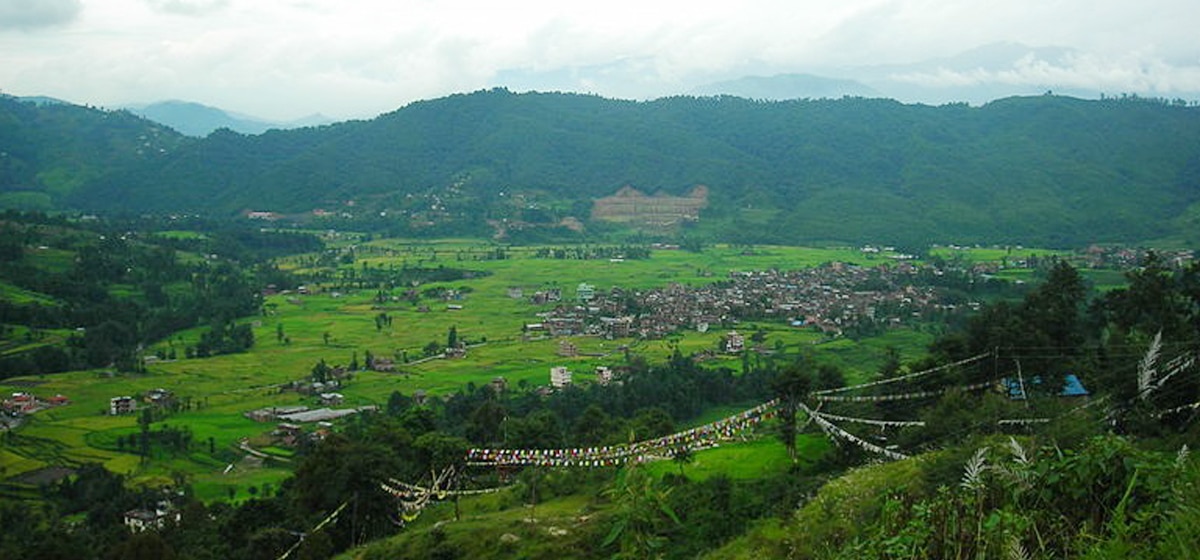
The drive itself is an experience, passing through ever-changing landscapes: from lush green valleys to the dramatic, arid, desert-like terrain of Upper Mustang. You’ll traverse remote villages like Kagbeni (the gateway to Upper Mustang), Chele, Ghami, and Tsarang, each offering unique insights into the local culture and architecture. Expect to encounter ancient monasteries, prayer flags fluttering in the wind, and the welcoming smiles of the Loba people.
Upon reaching Lo Manthang, the walled capital, you’ll immerse yourself in the vibrant atmosphere of the Tiji Festival. The royal palace courtyard becomes the stage for the monks’ mesmerizing masked dances, accompanied by traditional music and chants. You’ll witness generations-old traditions unfold before your eyes, offering an unparalleled glimpse into a living Tibetan Buddhist culture.
Beyond the festival, your jeep tour will allow you to explore the ancient monasteries of Lo Manthang, such as Thubchen, Jampa Lhakhang, and Chhode, marveling at their frescoes and ancient artifacts. Depending on your itinerary, you might visit the mysterious sky caves, local schools, or simply wander through the narrow alleyways of the walled city, absorbing its timeless charm.
Permits and Practicalities for 2026
It’s crucial to remember that Upper Mustang is a restricted area, requiring a special permit (RAP) in addition to the Annapurna Conservation Area Permit (ACAP). These permits must be arranged through a registered trekking agency in Nepal and cannot be obtained individually. Due to the limited number of permits issued annually, it’s highly recommended to book your Tiji Festival jeep tour for 2026 well in advance.
Pack appropriately for varying altitudes and weather conditions. Layers are key, including warm clothing, sun protection, sturdy shoes, and rain gear. While jeep tours offer comfort, be prepared for bumpy rides on unpaved roads. Acclimatization is still important, even with a jeep tour, so ensure your itinerary allows for gradual ascent and rest days.
Sustainable Tourism and Cultural Immersion
Participating in the Tiji Festival in 2026 by jeep is far more than a journey into the Himalayas — it is a meaningful opportunity for cultural connection and responsible travel. Held in the remote kingdom of Upper Mustang, with celebrations centered in Lo Manthang, the festival offers rare insight into centuries-old Tibetan Buddhist traditions.
By choosing a reputable local tour operator, you directly support the livelihoods of the Mustang community and contribute to the preservation of their unique cultural heritage. Responsible tourism plays a vital role in sustaining both the local economy and the fragile Himalayan environment.
Respect for local customs, religious practices, and natural surroundings is essential. Take time to engage with residents, learn a few words of their language, and observe traditions with humility. Travel mindfully and thoughtfully so that the authenticity and spiritual significance of the Tiji Festival can be preserved for generations to come.
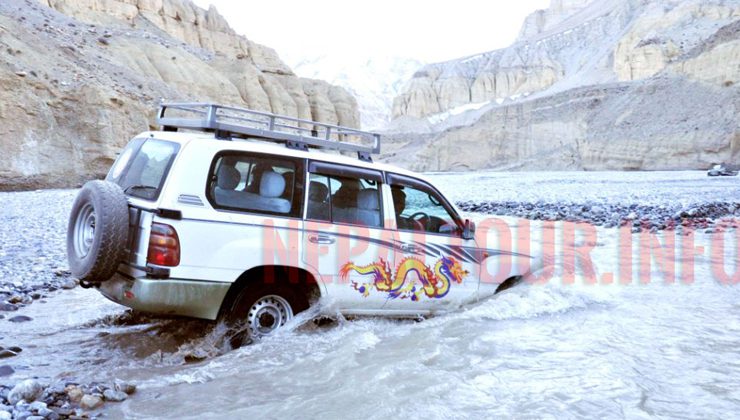
Rent a Toyota LandCruiser
Toyota Landcruiser hire in Nepal is the most popular jeep rental service that we provide in Nepal. Land Cruiser is a comfortable jeep for any types of road. The 4WD drive is best option for the off-road transport in Nepal.
We are Kathmandu based vehicle rental agency and offer affordable Landcruiser rental service all over Nepal. Our vehicles are new, clean and comfortable enough.

Tiji Festival Driving Route
Kathmandu – Pokhara – Kalopani – Kagbeni – Charang – ( 3 days at Lomanthang, Upper Mustang) – Chhuksang – Muktinath – Jomsom – Pokhara – Kathmandu.
Tiji Festival Road Travel 2026 Itinerary
Day 01 – 09th May 2026: Arrival in Kathmandu
Day 02 – 10th May 2026: Drive to Pokhara ( 6hrs drive).
Day 03 – 11st May 2026: Drive to Kalopani – (5 hours ) 130 Km.
Day 04 – 12th May 2026: Jeep Drive to Kagbeni via Muktinath. (Drive 4/5 hours / around 80 kms.)
Day 05 – 13th May 2026: Drive to Charang. (7 hours 40 km).
Day 06 – 14th May 2026: Drive to Lomanthang and explore first day TIJI Festival. (FESTIVAL START).
Day 07 – 15th May 2026: Celebrate second day TIJI Festival.
Day 08 – 16th May 2026: Third day TIJI Festival. (FESTIVAL END).
Day 09 – 17th May 2026: Drive back Jomsom. (Drive 5/6 hrs / around 70 kms).
Day 10 – 18th May 2026: Drive back to Pokhara. (7/8 hours – 158 Km).
Day 11 – 19th May 2026: Drive back to Kathmandu. (200Km – 6 hours).
Day 12 – 20th May 2026: Final Departure.
Tiji Festival Jeep Rental Price
The rental price for a jeep is USD 1690 / Per Jeep for 12 days (Kathmandu to Kathmandu Service)
The rental price for a jeep is USD 1090 / Per Jeep for 08 days ( Pokhara to Pokhara Service)
Trek Guide Compulsory: USD 60 / Per Day.
The Restricted Permit: USD 50 /per day / per person.
Price Includes:- Fuel, parking charges, driver’s salary, driver’s meal and his hotel/lodge expenses.
Price does not include:-
Restricted area permit, ACAP Fees, Your all meals, all hotel expenses.
Tips for Renting a Jeep for the Tiji Festival in Upper Mustang
When considering renting a Jeep for your Tiji Festival trip to Upper Mustang, keep these key points in mind:
- Book in Advance: It is crucial to book your Jeep rental well in advance to ensure availability, especially given the high demand during the Tiji Festival period.
- Confirm Rental Details: Carefully review the rental agreement. Confirm all details, including the total cost, insurance coverage, and any potential additional fees.
- Prepare for the Terrain: Renting a Jeep for the Tiji Festival allows you to comfortably traverse Upper Mustang’s surreal desert-like terrain, deep gorges, and high-altitude passes.
- Pack Warm Clothing: Temperatures can drop significantly, particularly at night, so carry sufficient warm clothing.
Ultimately, the experience of driving through Upper Mustang to attend the Tiji Festival is a once-in-a-lifetime adventure, perfectly blending cultural immersion with the thrill of off-road travel.