Hire a Cultural Guide in Nepal
+

4 Reasons You Should Hire a Cultural Guide in Nepal

A cultural guide is a professional who is trained to lead visitors on tours of various tourist destinations, providing information and interpretation of the attractions, culture, history, and traditions of the places visited. The main objective of a sightseeing guide is to enhance the visitor’s experience and provide a comprehensive understanding of the tourist destination.

Sightseeing guides can work independently or for tour companies, and they may specialize in a particular type of tourism, such as cultural tourism, adventure tourism, or eco-tourism. They should have extensive knowledge of the tourist destination, including its history, culture, landmarks, and attractions, as well as excellent communication skills and the ability to work with people from diverse backgrounds.

Overall, sightseeing guides play a vital role in promoting tourism and ensuring that visitors have an enjoyable and informative experience.

A cultural guide is necessary for a Kathmandu tour for several reasons:

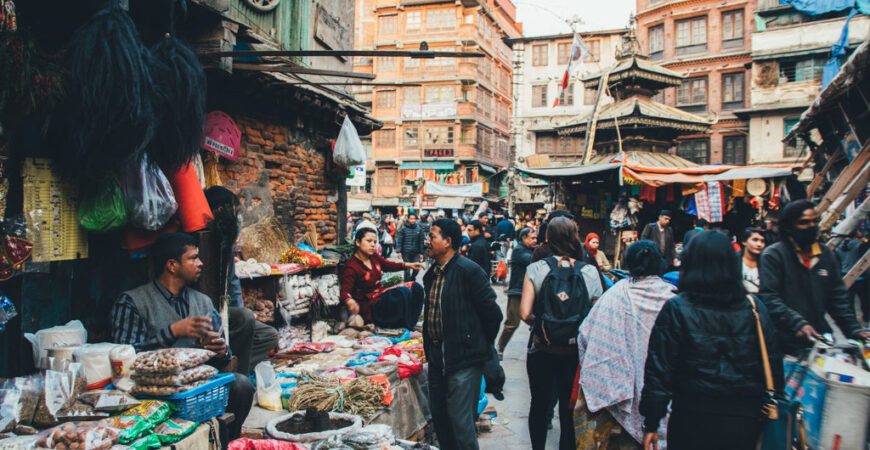
A cultural guide is necessary for a Kathmandu tour. Kathmandu is a city with a rich cultural heritage, and a cultural guide can provide valuable insights into the city’s history, culture, traditions, and customs.

Kathmandu is home to many ancient temples, palaces, and monuments, each with its unique history and cultural significance. A hiring cultural guide can provide in-depth knowledge about these landmarks, explaining the religious significance and the stories behind the various traditions and customs observed in Kathmandu.

Additionally, a cultural guide can help visitors navigate the city and avoid potential dangers, especially for first-time travelers. They can also provide recommendations on local restaurants, markets, and shops, providing a more authentic cultural experience.

Furthermore, a cultural guide who speaks the local language can help bridge the communication gap between travelers and locals, enhancing the experience and promoting cultural understanding.

In summary, a cultural guide is essential for a Kathmandu tour, providing a deeper understanding of the city’s culture, traditions, and customs, enhancing the visitor’s experience, and ensuring a more enjoyable and safe visit.

In-depth knowledge of cultural heritage: Kathmandu is a city with a rich cultural heritage, and a cultural guide can provide in-depth knowledge about the various historical and cultural landmarks, temples, and monuments in the city. They can explain the religious significance and the stories behind the various traditions and customs observed in Kathmandu.

Language barrier: Nepali is the official language of Nepal, and not everyone may speak English. A cultural guide who speaks the local language can help bridge the communication gap between travelers and locals and make the experience more engaging.

Understanding local customs and traditions: Nepal is a diverse country with various ethnic groups, each with their own unique customs and traditions. A cultural guide can help visitors understand the customs and etiquette when visiting religious sites and interacting with locals.

Safety and security: A cultural guide can provide valuable advice on safety and security concerns while traveling in Kathmandu. They can help travelers navigate the city, avoid potential dangers, and ensure that visitors have a safe and enjoyable experience.

Off-the-beaten-path experiences: A cultural guide can provide unique insights and experiences, such as visits to hidden temples, lesser-known markets, and local restaurants, providing a more authentic cultural experience.

Overall, a cultural guide is necessary for a Kathmandu tour to help visitors gain a deeper understanding of the city’s culture, customs, and traditions, ensuring a more immersive and enjoyable experience.

There are several ways to hire a cultural guide in Nepal, including:

  1. Through a travel agency: Many travel agencies in Nepal offer tour packages that include the services of a cultural guide. This can be a convenient option as the travel agency will take care of all the arrangements, including the guide’s services.
  2. Online booking platforms: Several online booking platforms such as Viator, nepalvisitors, Kathmandu Car Services, Nepal Tours, TripAdvisor, and GetYourGuide offer cultural tours with a local guide in Nepal. These platforms allow you to read reviews from other travelers and compare prices and services.
  3. Directly through a cultural guide: You can also hire a cultural guide directly by contacting them through social media or online directories such as the Nepal Tourism Board website or Nepal Tourist Guide Association website. It’s important to research the guide’s qualifications, experience, and reviews from other travelers before hiring them.
  4. Local hotels or guesthouses: Many hotels and guesthouses in Nepal offer cultural tours and can arrange a cultural guide for you. This can be a convenient option as they can provide recommendations based on your interests and budget.

Sightseeing tour guide cost in Nepal

When hiring a cultural guide in Nepal, it’s important to discuss your itinerary, interests, and budget to ensure that the guide can provide a customized experience that meets your needs. It’s also essential to agree on the services, fees, and payment terms before starting the tour.

The cost of hiring a sightseeing tour guide in Nepal can vary depending on several factors, such as the duration of the tour, the type of tour, the size of the group, and the guide’s qualifications and experience.

Generally, the cost of a full-day sightseeing tour guide in Nepal can range from $30 to $50 per day for a basic guide, while a more experienced and knowledgeable guide may charge $75 to $100 per day or more. Some guides may charge an hourly rate, which can range from $5 to $15 per hour.

It’s important to note that the cost of hiring a sightseeing tour guide may not include other expenses such as transportation, admission fees, meals, and accommodation. These additional costs should be discussed and agreed upon before the tour to avoid any misunderstandings or surprises.

It’s also recommended to hire a licensed and qualified tour guide who has undergone the necessary training and certification to ensure a safe and enjoyable experience. It’s essential to research and compare prices and services from multiple tour guides before hiring to ensure you get the best value for your money.

Some tour guides in Nepal

There are many tour guides in Nepal who can provide valuable services to visitors looking to explore the country’s rich cultural heritage and natural beauty. Here are a few examples:

  1. Bishnu Bhattrai: Bishnu is a licensed tour guide who has been working in the tourism industry for over a decade. He specializes in trekking tours, cultural tours, and adventure sports, providing personalized services to clients from around the world.
  2. Indra Mainali: Indra is a professional tour guide who speaks several languages, including English, French, and Chinese. He has over 15 years of experience in the tourism industry and specializes in cultural tours, trekking tours, and wildlife safaris.
  3. Mukesh Karki: Mukesh is a knowledgeable french tour guide who specializes in cultural tours, trekking tours, and adventure sports. He has been working in the tourism industry for over a decade and has a deep understanding of Nepal’s culture, history, and traditions.

Final Words

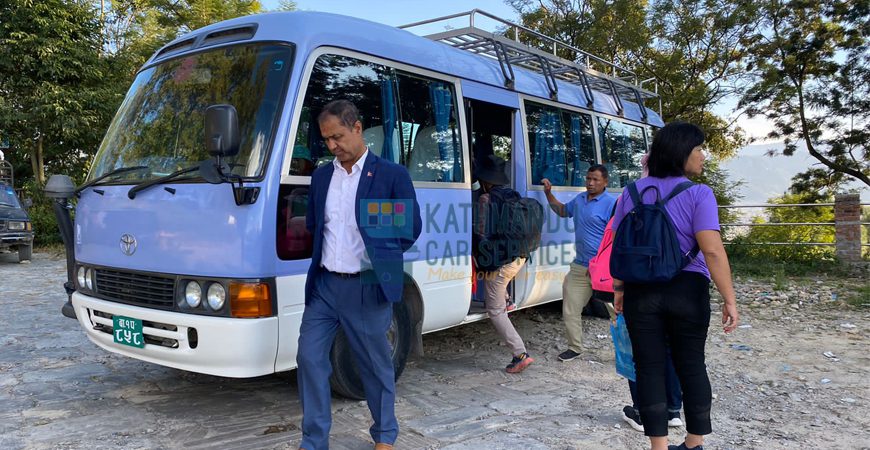
Kathmandu car services provide cultural guides as part of their car rental or as an add-on service. These services include private transportation and a knowledgeable guide who can provide insights into the city’s culture, history, and traditions.

However, it’s important to note that not all car services may offer this service, and the quality of the cultural guide may vary depending on the service provider. It’s recommended to do some research and read reviews from other travelers before hiring a car service with a cultural guide to ensure a quality experience.

Loading

Read More...
Dos and Don'ts in Nepal
+

Dos and Don’ts in Nepal

If you are traveling to Nepal, you should consider some of the Dos and Don’ts in Nepal. Nepal is undoubtedly one of the best places in the world to visit. You will get to explore the traditional culture and ancient cultural heritages of Nepal preserved to date.

Nepal has numerous cultural practices that may appear unusual to a person on his/her fist visit to the country. However to enjoy your stay in this remarkable himalayan country.  It is important to take into consideration of the varieties of the cultural aspects of the country.

Nepal is a melting pot of different local ethnic cultures and regional cultures. It’s a known fact that 80% of the population is Hindu. But there are also significant Buddhist and Muslim communities. Religion plays an important role in daily life, and many festivals and rituals are based on religious traditions.

Sure, here are some dos and don’ts to keep in mind when visiting Nepal:

Do’s:

    • Do greet people with “Namaste” with your hands together in a prayer position.

The most common greeting in Nepal is “Namaste”, which is typically accompanied by placing your palms together in a prayer position in front of your chest. This greeting is used as a sign of respect and goodwill towards the other person.

In addition to “Namaste”, you may also hear other greetings such as “Tashi Delek” among Tibetan Buddhists, “Salam” among Muslim communities, and “Hello” or “Hi” in English. However, using “Namaste” is generally considered the most respectful and appropriate greeting in Nepal.

  • Do respect local customs and traditions, especially when visiting religious sites or participating in festivals.
  • Learn a few words of Nepali: Learning a few words of the Nepali language can go a long way in showing respect for the local culture. Practice common phrases like “dhanyabad” (thank you) and “kasto cha?” (how are you?) to show your interest in Nepalese language and culture.

  • Do carry a valid ID and a copy of your passport with you at all times.
  • It is recommended that you carry a valid ID and a copy of your passport with you at all times when traveling in Nepal. This is because local authorities may require identification for various reasons such as checking into hotels, buying SIM cards, or for security purposes.

    Carrying a copy of your passport rather than the original is recommended as it minimizes the risk of losing your passport. You can keep your original passport in a secure location such as a hotel safe.

  • Do bargain when shopping in local markets, but do it respectfully.
  • Bargaining is an important part of shopping in local markets in Nepal, but it is important to do it respectfully and with a friendly attitude. By following these tips, you can have an enjoyable shopping experience and reach a fair price with the seller.

    Start with a smile and a friendly greeting: Starting with a friendly greeting can set a positive tone for the bargaining process and show the seller that you are approachable.

  • Do carry a reusable water bottle and use a water purification system to reduce plastic waste.
  • Carrying a reusable water bottle and using a water purification system is a great way to reduce plastic waste in Nepal.

    While Nepal has made some progress in managing its plastic waste, it still faces significant challenges in this area. According to the Ministry of Forests and Environment, Nepal generates around 3.3 million tons of solid waste each year, of which an estimated 14% is plastic waste.

    To help reduce plastic waste, travelers can bring their reusable water bottle and use a water purification system to refill it with clean drinking water. Some options for water purification include using a water filtration system, iodine tablets, or boiling water.

    By using a reusable water bottle and a water purification system, travelers can reduce their plastic waste and contribute to a more sustainable tourism industry in Nepal.

  • Do dress modestly and respectfully, especially when visiting religious sites.
  • Do ask for permission before taking photos of people or their belongings.
  • Do learn some basic Nepali phrases, as it will be appreciated by locals.

Don’ts:

  • Don’t disrespect local customs or religious beliefs.
  • Don’t drink tap water, as it is not safe to drink. Always drink bottled or purified water.
  • Don’t display public affection, as it is not culturally acceptable.
  • Don’t give money or gifts to beggars, as it may encourage a culture of dependency.
  • Don’t take photos inside temples or other religious sites without permission.
  • Don’t touch or step over sacred objects or offerings.
  • Don’t litter or pollute the environment, and dispose of your waste properly.
  • Don’t buy or sell illegal drugs or engage in any other illegal activities.

These are just some general guidelines to keep in mind when visiting Nepal. It’s always a good idea to research more about the local culture and customs before your trip and to be respectful and open-minded towards the local people and their way of life.

Loading

Read More...
Half Day Sightseeing Tour Cost in Kathmandu
+

Half Day Sightseeing Tour Cost in Kathmandu

A half-day sightseeing tour can be a necessary and convenient option for those who have limited time or limited mobility. It can provide an introduction to the city and its cultural and historical sites, without requiring a full day commitment.

Additionally, a half-day tour can be a cost-effective way to see the city, as the cost is typically lower than a full-day tour. It can also allow for more flexibility in scheduling, allowing travelers to plan other activities or excursions for the rest of the day.

Additionally, a half-day sightseeing tour can be a good opportunity for travelers to get a feel for the city and its culture, and to gain a deeper understanding of its history and significance. With the guidance of a knowledgeable tour guide, travelers can learn about the city’s landmarks and cultural heritage, and gain insights into the local way of life.

On this half day Kathmandu tour, you will visit the majestic UNESCO-listed World heritage sites. you will find it amazing that seven UNESCO sites exist in Kathmandu Valley alone at mere radius of 20km distance.

We will begin our tour with visit to Pashupatinath which is the most sacred Hindu temple of Nepal. We will witness Hindu cremation ceremony on the Aryaghat that is located at the edge of Bagmati River.

Here we will see Hindu holy men (sadhus) and pilgrims performing ritual bathing, and occasionally, funeral pyres burning on the ghats. The cremation site here is used by the royal family and also for the simple man living next door.

We will visit Nepal’s largest Buddhist stupa of Bouddhanath. We can see rich Tibetan culture in Bouddhanath.

Since it is only a half-day tour, you can only visit a few selected places during your trip. This includes various UNESCO World heritage sites in Kathmandu and other essential points. Some of the famous places you can see in Kathmandu are as follows; you can choose up to 2 places for half-day Kathmandu tour.

Half Day Sightseeing Tour Cost cover, Boudhanath Stupa and Pashupatinath. Tour starts at 9:30 am in the morning for 4 hours. After touring beautiful cultural heritage, our half day sightseeing tour in Kathmandu end. You can then proceed towards your hotel.

Highlights of Half Day Tour Facts:

Pickup point: Your Hotel
Drop off point: Your Hotel
Tour duration: 3 Hrs
Tour Time: Any time between (9am to 6pm) for 3 hrs

Highlights of Half Day Tour

  • Exploring the UNESCO World Heritage sites
  • Experience the rich cultural heritage, tradition and, lifestyle of Kathmandu
  • Historical exploration of the durbar squares
  • Religious pilgrimage of various temples in and around Kathmandu


Service Areas Car Jeep Hiace Coaster SUTLEJ
Half Day Sightseeing Tour Cost in Kathmandu $60 $80 $120 $160 $180

Note:

The cost of a half day sightseeing tour in Kathmandu can vary depending on the type of tour and the duration of the trip. On average, a full-day sightseeing tour of Kathmandu can cost anywhere from US$60 to US$80 per person.

The cost can also vary based on the mode of transportation used, with private car tours being more expensive than public transportation tours. The cost of a private tour may also depend on the size of the vehicle, with larger vehicles being more expensive.

It is important to note that many car rental companies offer discounts for groups and negotiated rates for longer tours. Some tours may also include entrance fees to cultural and historical sites, while others may not.

It is always a good idea to compare prices and read reviews before booking a tour, and to clarify what is included in the tour cost to avoid any surprises.

Read More...
Rent a Car in Nepal
+

How to rent a car in Nepal?

When you are travelling somewhere either you take your vehicle or use a public vehicle. But while travelling somewhere far a public vehicle can be frustrating and long. To avoid this hassle you can rent a vehicle.

Nepal is a country of beautiful landscape, rich culture and heritage. From being home to the Everest and other peaks to having a friendly crowd, this country has it all. Kathmandu, being the capital and social hub of the country, is the place you would be able to rent a car for your travel.

Rent a car is the best way to travel in any area, and is now starting to get popular among tourists. It gives you the flexibility to travel how you want to when you want to and wherever you want to.

The popular renting companies like Kathmandu Car Rental Services provide a wide range of rental vehicles in many cities of Nepal.

Rent a vehicle seems pretty easy. However, there are some things you need to be careful about before renting a vehicle. Here are some of the steps on how to rent a car which may help you while renting in the future.

Consider looking for customer reviews and ratings online, checking the company’s website and policies, and asking for recommendations from friends or travel agencies.

It’s also advisable to confirm the details of your rental agreement, such as the type of vehicle, rental period, and any additional fees or restrictions, before making a final decision. By taking these steps, you can make an informed decision and ensure a smooth and enjoyable car rental experience in Nepal.

Look around for a rental service.

There are many rental services in Nepal. Before settling down for a vehicle look around in different rental services. Likewise, compare the price of the rent and ask for other services. You can also visit the website of the rental service for more information.

Choose a Right Vehicle.

Ask other questions about the vehicle along with the price. Inspect the car thoroughly before choosing. Sometimes the vehicle might have some problem and can stop in the middle of your trip.

Read Terms and Conditions.

Listen to the terms and conditions very carefully. The terms and conditions will have details like the cost of the vehicle according to hours and or days. it will also have some restrictions and boundaries. Likewise, the terms will tell you about what you have to do if the vehicle gets into an accident. Also, ask if the car has insurance or not.

Passport or Citizenship Card.

If you want a vehicle for rent for some hours and you are a Nepali then your citizenship copy or original will work. Moreover, if you are a foreigner and looking for a rental car you may have to send a copy of your passport in advance for the booking.

Rent a Car.

You have to pay the full rent. You cannot pay 50% at first and pay the rest after you return. Likewise, some rental services provide a driver for which you have to pay extra. The rental service may not allow you to drive the vehicle yourself. Likewise, the driver is mandatory.

General Rules and Laws:

  1. Drive on the left side of the road.
  2. The driving seat is placed on the right side of the car.
  3. Overtake from the right side.
  4. Watch out for pedestrians and animals who cross the road between traffic and on highways.
  5. The country has a lot of sharp cuts on mountainous roads.
  6. Beware of local bus drivers, as they tend to speed often.
  7. Don’t use a alcholic driver

Benefit from KCRS’s great deals available all year round for a seamless car hire experience in Kathmandu, Nepal. Travel your way by choosing from our collection of brand new cars, from one of our 1 stations across Kathmandu.

Whether you are looking for car rental in Kathmandu as part of a vacation, or renting a car for a special event, you will be sure to find a car to suit your needs from our wide range of economy and luxury models.

As a Nepal leader in car rental, we pride ourselves on providing world class service, offering flexible short- and long-term rental, all at great prices with no hidden charges.

The cost of car rental in Nepal varies depending on several factors such as the type of vehicle, rental period, and additional services such as insurance or a driver.

In general, basic car rental rates in Nepal can range from a few hundred to a few thousand Nepalese rupees per day, depending on the vehicle and rental company. Renting a car with a driver or opting for additional services such as insurance can increase the overall cost.

It’s recommended to compare rates and services from multiple car rental companies in Nepal and to book in advance to get the best deals. You can also consider negotiating with the rental company to secure the best possible rate.

In conclusion, car rental in Nepal can be affordable or expensive, depending on your needs and budget. By doing proper research and comparing your options, you can find a rental solution that fits your budget and travel plans.

Loading

Read More...